

Are you looking for an eco-friendly, durable, and stylish alternative to traditional hardwood flooring? Welcome to the world of bamboo flooring sustainable options. This innovative flooring solution is becoming a favorite among homeowners and interior designers for good reasons. In the following sections, we will delve into why bamboo flooring is sustainable, its unique benefits, the types of bamboo flooring available, and crucial considerations for installing this eco-friendly option in your home.
Why Choose Bamboo Flooring: A Sustainable Solution
Bamboo flooring sustainable appeal lies in its environmentally friendly nature. Unlike traditional hardwood, which often involves deforestation and long-term ecological damage, bamboo is a highly renewable resource. It grows rapidly, reaching maturity in as little as three to five years, compared to decades for hardwood trees. This quick growth cycle significantly reduces the environmental impact of harvesting bamboo.
Additionally, bamboo plants have a unique ability to regenerate after harvest. When a bamboo stalk is cut, it doesn’t die; instead, it continues to grow from the same root system. This trait minimizes soil disruption and prevents erosion, making bamboo an even more sustainable choice. Moreover, opting for bamboo flooring can reduce the demand for slower-growing, endangered hardwood species, contributing to forest conservation efforts.
Benefits of Bamboo Flooring
Bamboo flooring sustainable qualities go beyond its eco-friendliness. It also boasts impressive durability and strength, often compared to that of more traditional hardwoods like oak and maple. Bamboo ranks high on the Janka hardness scale, which measures the resistance of wood to wear and denting. Strand-woven bamboo, in particular, is renowned for its toughness, making it an excellent choice for high-traffic areas in the home.
Another key advantage of bamboo flooring is its aesthetic versatility. Bamboo planks are available in a variety of styles, colors, and finishes, allowing homeowners to achieve virtually any desired look. From a natural light shade that highlights the plant’s natural grain, to darker, carbonized tones that resemble traditional hardwood, bamboo’s versatility can complement any interior design scheme.
Types of Bamboo Flooring
When considering bamboo flooring, it’s essential to understand the different types available, each with its unique characteristics. The three primary types of bamboo flooring are:
– Solid bamboo flooring
– Engineered bamboo flooring
– Strand-woven bamboo flooring
Solid bamboo flooring consists of strips or blocks of bamboo that are glued together to form planks. It’s prized for its authenticity and natural appearance. Engineered bamboo flooring features a top layer of bamboo bonded to an underlying plywood or fiberboard base, enhancing its stability and resistance to moisture. Lastly, strand-woven bamboo flooring is made by compressing bamboo fibers under extreme heat and pressure, resulting in an incredibly robust product.
For those aiming for maximum sustainability and performance, strand-woven bamboo typically offers the best blend of strength and eco-friendliness. Each type of bamboo flooring has its pros and cons, so it’s important to consider your specific needs and preferences when making a choice.
Installation Considerations
Proper installation is crucial for maximizing the lifespan and beauty of bamboo flooring. The installation process can vary depending on the type of bamboo flooring chosen. For instance, solid bamboo and strand-woven varieties can be glued down, nailed, or floated, while engineered bamboo is often installed as a floating floor, where the planks are clicked together over an underlayment.
One important factor to consider is the acclimation of bamboo planks prior to installation. Bamboo, like other natural materials, can expand and contract with changes in humidity and temperature. Allowing the planks to adjust to the room’s climate prevents warping and gaps. This process usually takes between 48 to 72 hours.
Moisture control is another essential aspect. Bamboo floors should not be installed below-grade or in areas prone to excessive moisture, such as bathrooms or basements unless proper moisture barriers are in place. Additionally, ensuring subfloors are clean, dry, and level will create an optimal foundation for bamboo plank installation.
Maintaining Bamboo Floors for Longevity
While bamboo flooring sustainable, it’s essential to understand how to maintain it to extend its life and preserve its beauty. Regular cleaning with a soft broom or vacuum is advisable to remove dust and debris that can scratch the surface. Spills should be wiped up promptly to prevent moisture damage, and a damp mop can be used for deeper cleaning, ensuring it’s not overly wet.
Using furniture pads can prevent scratches from heavy furnishings, and maintaining consistent indoor humidity levels can reduce the chances of warping or cracking. Proper care will not only enhance the durability of your bamboo floors but also keep them looking as stunning as the day they were installed.
For those considering integrating bamboo flooring sustainable into their living spaces, keeping these maintenance tips in mind will ensure a long-lasting and beautiful floor that continues to benefit the environment.
In conclusion, choosing bamboo flooring is not just a stylistic decision but a conscientious effort towards sustainability. The rapid growth rate and minimal environmental impact make bamboo an excellent alternative to traditional hardwoods.
Unique Benefits of Bamboo Flooring Sustainable Solutions
One of the standout features of bamboo flooring sustainable choices is their remarkable durability. Bamboo is naturally harder than many traditional hardwoods like oak or maple. This makes it an excellent option for areas with high foot traffic. Additionally, its resilience means it can withstand impacts and is less prone to scratches and dents, keeping your floors looking pristine for years.
Beyond its durability, bamboo flooring brings an elegant touch to any space. Available in a variety of grains and finishes, it can seamlessly fit different design aesthetics, ranging from modern minimalist to rustic chic. The natural variations in bamboo lend a unique character to each plank, providing a one-of-a-kind look that will elevate your home’s interior.
Types of Bamboo Flooring Sustainable Choices
When exploring bamboo flooring sustainable options, you’ll come across several types, each with unique characteristics and installation requirements. The three primary types are horizontal, vertical, and strand woven bamboo flooring.
Horizontal bamboo flooring showcases the natural growth rings of the bamboo, giving it a plank-like appearance. This type is great for those who appreciate the natural beauty and texture of bamboo. On the other hand, vertical bamboo flooring aligns the stalks vertically, resulting in a uniform and contemporary look perfect for modern interiors.
The strongest and most durable option is strand woven bamboo flooring. This type is made by compressing bamboo fibers under extreme heat and pressure, creating a denser and more robust product. For homeowners seeking premium quality and longevity, strand woven bamboo is a top choice.
Environmental Impact and Sustainability
Bamboo flooring sustainable solutions are renowned for their minimal environmental impact. Unlike traditional hardwood trees that take decades to mature, bamboo is a rapidly renewable resource. It reaches maturity in just 5-7 years, allowing for quicker harvesting cycles and less strain on the environment.
Another key environmental benefit is the minimal use of pesticides and fertilizers in bamboo cultivation. This green approach reduces soil and water pollution, promoting healthier ecosystems. Additionally, because bamboo can regenerate after being harvested, it minimizes deforestation and habitat destruction, making it a truly eco-friendly option.
Installation Considerations
When planning to install bamboo flooring sustainable options in your home, it’s essential to keep several factors in mind. Firstly, ensure that the subfloor is properly prepared. Bamboo flooring requires a clean, dry, and level subfloor for optimal installation. Removing any debris and ensuring the subfloor moisture levels are within acceptable limits will prevent issues like warping or mold.
Choosing the right installation method is also crucial. Bamboo flooring can be installed using a variety of techniques, including nailing, glue-down, or floating methods. Each approach has its benefits and considerations, so it’s important to assess which method suits your space and meets your needs.
Maintaining Bamboo Flooring Sustainable Solutions
Proper maintenance will ensure that your bamboo flooring sustainable investment remains beautiful and functional for years to come. Regular sweeping or vacuuming will keep dirt and debris from scratching the surface. Using a soft-bristle attachment or microfiber mop is ideal for routine cleaning.
For deeper cleaning, it’s advisable to use a gentle cleanser specifically designed for bamboo or hardwood flooring. Avoid harsh chemicals or abrasive cleaners that can damage the finish. Furthermore, placing area rugs or mats at entryways can help reduce wear and tear from foot traffic and prevent dirt from being tracked onto the floor.
Cost and Long-Term Value

While the initial cost of bamboo flooring sustainable products can vary, it is generally competitive with other high-quality flooring options. Factors such as the type of bamboo flooring, brand, and installation costs will influence the overall expense. However, given its durability and low maintenance requirements, bamboo flooring often proves to be a cost-effective investment in the long run.
Additionally, bamboo flooring can enhance the value of your home. Many potential buyers are drawn to eco-friendly and sustainable features, making bamboo flooring a selling point. Its aesthetic appeal and environmental benefits can increase your property’s marketability and overall value.
Bamboo Flooring Sustainable Alternatives in the Market
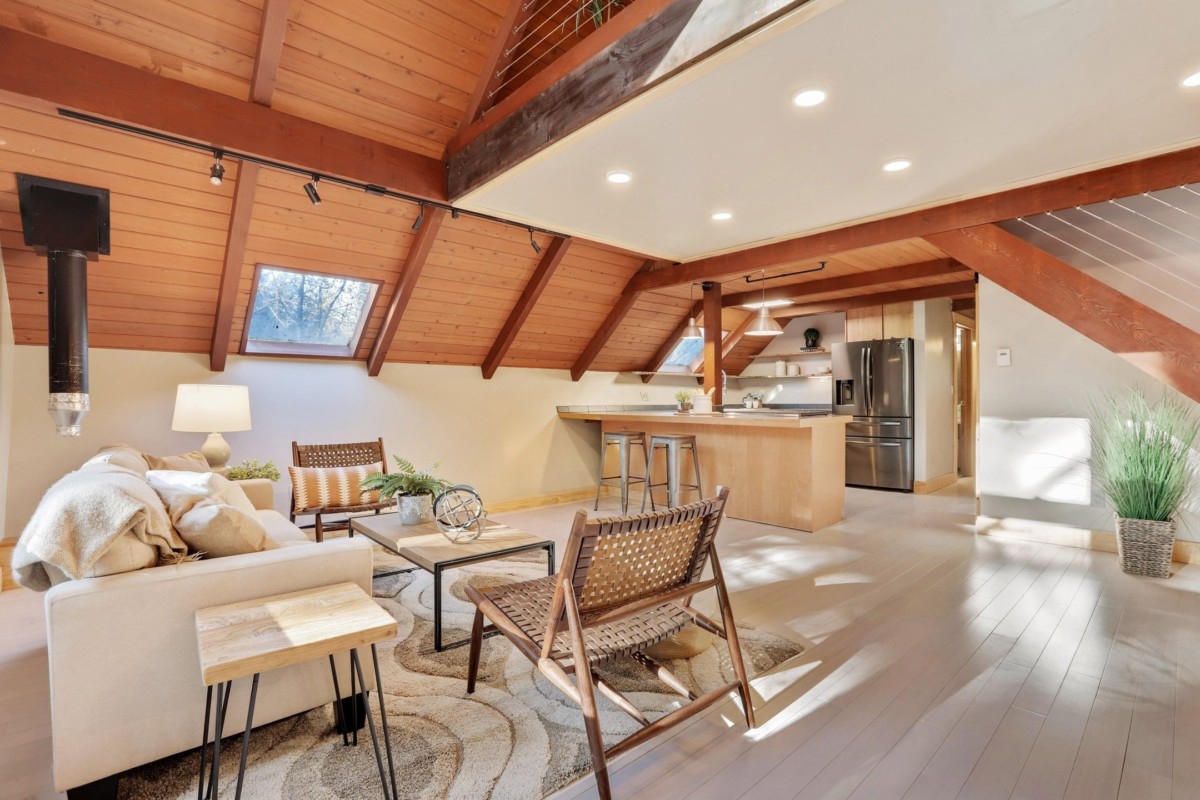
To ensure you get the best bamboo flooring sustainable solution, it’s essential to do your research and choose reputable suppliers. There are numerous options available, so consider looking for those that have certifications for eco-friendliness and quality. For instance, companies like Bamboo Maui offer a range of high-quality bamboo flooring products that are not only sustainable but also visually stunning.
It’s also beneficial to read customer reviews and possibly seek recommendations from friends or family. By investing in bamboo flooring from a trusted source, you can ensure that you’re making an environmentally responsible choice that doesn’t compromise on quality or aesthetics.
Embracing a Sustainable Lifestyle with Bamboo Flooring
Incorporating bamboo flooring sustainable options into your home is a significant step towards a greener lifestyle. Not only does it provide a robust and stylish flooring solution, but it also aligns with environmental values that prioritize renewable resources and eco-friendly practices.
Transitioning to bamboo flooring demonstrates a commitment to sustainability and can inspire others to make more environmentally conscious decisions in their home decor and renovations. By choosing bamboo, you’re investing in a product that offers both aesthetic allure and ecological benefits, showcasing how beautiful and functional sustainability can be.
For more details on bamboo flooring sustainable solutions, click this link. Embark on your journey towards a greener home with the multifaceted benefits of bamboo flooring. Learn more from industry experts and watch informative videos on sustainable bamboo flooring. Discover why so many homeowners and designers are turning to solid bamboo flooring for their interior spaces.
Embrace the future of eco-friendly flooring with bamboo and enjoy its myriad benefits for years to come.