

When living in a place as stunning and unique as Hawaii, creating an outdoor space that withstands the humid, tropical climate while maintaining its aesthetic appeal can be a challenge. Understanding how to choose decking materials for Hawaii’s humid climate is crucial in ensuring that your outdoor deck remains in great condition year after year. Selecting the right decking materials involves considering factors such as durability, maintenance needs, and resistance to mold and rot, which are essential due to Hawaii’s high humidity and frequent rainfall.
Durability and Lifespan of Decking Materials
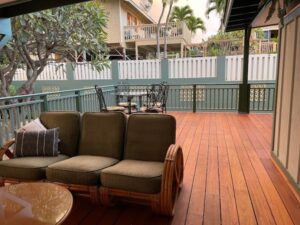 When selecting decking materials for your Hawaiian home, one of the most critical factors is durability. Decks in high-humidity areas like Hawaii need materials that can endure moisture without deteriorating quickly. Tropical hardwoods like Ipe, for instance, are naturally resistant to rot and pests, making them an excellent option for withstanding the climate. Composite decking is another durable option; it combines wood fibers and plastic to create a material that is highly resistant to weathering.
Evaluating the lifespan of potential decking materials is also essential. Materials like pressure-treated wood can last for 15-20 years with proper maintenance, whereas hardwoods like Cumaru and Ipe can last 25 years or more. Composite materials often come with lengthy warranties, sometimes up to 25-30 years, due to their engineered resilience against the elements. Choosing the right material can save you from frequent repairs and replacements, making it a more cost-effective solution over time.
Maintenance Requirements in a Humid Climate
The humid climate in Hawaii means that decking materials should be chosen with maintenance in mind. High humidity can lead to issues like mold, mildew, and algae growth. Woods such as cedar and redwood have natural oils that make them resistant to these problems, but they still require regular cleaning and sealing to maintain their integrity.
Composite decking requires less maintenance compared to natural wood. It does not need to be stained or sealed, making it easier to care for. Simply cleaning it with soap and water periodically is usually sufficient to keep it looking its best. This makes composite materials an attractive option for homeowners who prefer a low-maintenance deck that doesn’t compromise on appearance.
Resistance to Mold, Rot, and Pests
Mold, rot, and pests are common concerns in Hawaii’s humid climate, and choosing materials that naturally resist these issues can save you a lot of headaches. Hardwood options like Ipe and Cumaru are dense enough to resist most pest infestations and fungal growth, making them ideal for tropical environments.
Pressure-treated wood is chemically treated to ward off pests and decay, but the chemicals used can be harmful to the environment and may require more frequent maintenance compared to composite options. Composite decking, made from a mix of wood and plastic, is inherently resistant to mold and rot, largely because it doesn’t absorb moisture the way natural wood does. This makes composite decking a top choice for anyone concerned with longevity and ease of care in a humid environment.
Environmental Impact of Decking Choices
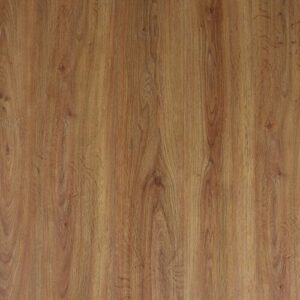
Molokini Style Vinyl
In selecting decking materials, it’s also important to consider their environmental impact. Sustainability is a significant consideration, especially in a region as ecologically sensitive as Hawaii. Bamboo decking is a highly sustainable option; it grows quickly, can be harvested without killing the plant, and is incredibly strong and resistant to moisture.
Recycled composite decking is another environmentally friendly option. Made from recycled wood fibers and plastic, this type of decking helps reduce waste and the need for virgin materials. Additionally, choosing FSC-certified wood ensures that the wood comes from forests managed in an environmentally responsible way. By selecting eco-friendly materials, you contribute to preserving Hawaii’s natural beauty.
Cost Analysis: Upfront Costs vs. Long-term Investment
When considering how to choose decking materials for Hawaii’s humid climate, it’s essential to balance upfront costs against long-term investments. Initial costs can vary significantly between materials. Pressure-treated wood is often the least expensive upfront but may incur higher maintenance costs over time. Hardwoods like Ipe and Cumaru have a higher initial cost but offer reduced long-term maintenance and longer lifespans, potentially saving money in the long run.
Composite decking tends to sit in the mid-to-high range in terms of cost but offers cost savings over time due to its minimal maintenance needs and long lifespan. While the upfront investment may be higher compared to pressure-treated wood, the hassle-free maintenance and longevity of composite materials make them a worthwhile investment for many homeowners.
Aesthetic Considerations for Decking Materials
The choice of decking material also significantly affects the overall aesthetic of your outdoor space. Natural wood offers a classic and timeless look that many homeowners cherish. Options like cedar and redwood provide rich, warm tones, while tropical hardwoods offer a sleek, contemporary finish that can complement the lush surroundings of Hawaii well.
Composite materials also come in various textures and colors, often designed to mimic the look of natural wood while providing the benefits of durability and low maintenance. Whether you prefer the authentic look of natural wood or the versatility and color options of composite decks, ensuring the material complements your home and landscape is vital in creating a harmonious outdoor space.
These factors should all be carefully evaluated when deciding how to choose decking materials for Hawaii’s humid climate. The right choice will not only add to the beauty and functionality of your outdoor area but also ensure it stands the test of time in the face of Hawaii’s unique weather conditions. When living in a place as stunning and unique as Hawaii, creating an outdoor space that withstands the humid, tropical climate while maintaining its aesthetic appeal can be a challenge. Understanding [how to choose decking materials](https://bamboomaui.net/decking-material/) for Hawaii’s humid climate is essential for anyone looking to build a durable and beautiful deck. In the first half of this guide, we discussed factors such as material durability, resistance to rot and pests, and maintenance requirements. Let’s now dive deeper into other essential considerations to help you make the best choice for your Hawaiian deck.
Eco-Friendly Options for Decking in Hawaii
 In Hawaii’s lush and eco-conscious environment, it’s important to consider the environmental impact of your decking materials. Choosing eco-friendly options not only helps preserve the natural beauty of the islands but also ensures that you are doing your part in protecting the environment.
Bamboo is a popular choice for those looking for a green option. Known for its renewable nature, bamboo grows quickly and doesn’t require replanting after harvesting. It’s often treated to resist weathering and pests, making it a durable choice for Hawaii’s humid climate. Additionally, composite decking made from recycled materials is another excellent environmentally friendly option. These composites often combine recycled wood fibers and plastics, reducing waste and providing a durable surface that stands up well to Hawaii’s unique climate conditions.
Considering Your Deck’s Aesthetic and Design in a Humid Climate
The visual appeal of your deck is just as crucial as its functionality. Hawaii’s natural beauty can serve as inspiration for a deck design that complements the environment. The choice of materials and finishes plays a significant role in the overall look and feel of your deck.
Natural hardwoods like ipe and teak not only offer excellent durability and moisture resistance but also boast rich, natural tones that can enhance any outdoor setting. These hardwoods can create a timeless and tropical look that harmonizes with Hawaii’s scenery. On the other hand, if you prefer a modern or contemporary aesthetic, composite materials can be customized in various colors and finishes to suit your taste, while still providing the necessary durability.
Installation and Construction Tips for Durable Decks in Hawaii
Proper installation is critical to the longevity and performance of your deck in Hawaii’s humid climate. Even the best materials can fail if not installed correctly. It’s advisable to work with experienced professionals familiar with the local environment when building your deck.
Ensure that there is adequate ventilation beneath the deck to prevent moisture buildup, which can lead to mold and rot. Using stainless steel or other corrosion-resistant fasteners is also essential, as they will stand up better to Hawaii’s salty air and high humidity. Furthermore, applying a sealant or treatment specifically designed for humid climates can provide an extra layer of protection, prolonging the life and beauty of your deck.
Maintenance Practices for Long-Lasting Decks in Humid Climates
Regular maintenance is key to keeping your deck in pristine condition. Hawaii’s humid environment can be harsh on decking materials, so it’s essential to establish a maintenance routine that includes cleaning, inspecting, and treating your deck.
Periodic cleaning with a mild detergent can prevent dirt and debris buildup, which can promote mold growth. Inspect your deck regularly for signs of wear and damage. If you have a wooden deck, reapplying a water-repellent finish or sealant annually can help maintain its moisture resistance. For composite decks, a good scrubbing with soap and water is usually sufficient to keep them looking new.
Comparing Costs of Different Decking Materials
Budgeting is an integral part of any home improvement project, and choosing decking materials is no exception. The initial cost of materials, as well as long-term maintenance expenses, can vary significantly.
Natural hardwoods like ipe and teak are often more expensive upfront due to their high durability and stunning appearance. However, their longevity and minimal maintenance requirements can offer better value over time. Composite decking may have a lower initial cost and is generally less expensive to maintain, but it might not have the same lifespan as high-end hardwoods. Bamboo, though reasonably priced, provides a balance between sustainability, durability, and cost, making it a competitive option for eco-conscious homeowners.
Pros and Cons of Popular Decking Materials
Each type of decking material comes with its own set of advantages and disadvantages. Understanding these can help you make a well-informed decision.
Natural Hardwoods:
– Pros: Exceptional durability, natural beauty, rot and pest resistance.
– Cons: Higher initial cost, requires professional installation, possible splintering.
Composite Decking:
– Pros: Low maintenance, moisture and pest resistant, customizable appearance.
– Cons: Can be prone to thermal expansion, may get hot under direct sunlight.
Bamboo:
– Pros: Eco-friendly, strong, and moisture resistant.
– Cons: Requires treatment to prevent mold and insect damage, less varied appearance options.
The Role of Professionals in Deck Building in Hawaii
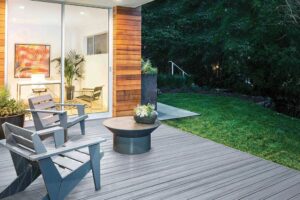
When considering how to choose decking materials for Hawaii’s humid climate, working with professionals can be highly beneficial. Experienced builders and designers who understand the unique challenges of Hawaii’s climate can offer invaluable advice and ensure that your deck is built to last.
Professionals can assist in selecting the right materials, provide expert installation, and recommend the best maintenance practices. They can also help navigate any local building codes and regulations, ensuring that your deck project goes smoothly from start to finish.
Creating a deck that can withstand Hawaii’s humid climate involves careful consideration of material choices, design, installation, and maintenance. By prioritizing durability, aesthetic appeal, and eco-friendliness, and by engaging with experienced professionals, you can build a beautiful and lasting outdoor space. Whether you choose natural hardwood, composite, or bamboo decking, the right materials and proper care will allow you to enjoy your Hawaiian deck for many years to come.
For further details on [how to choose decking materials for Hawaii’s humid climate](https://www.youtube.com/results?search_query=How+to+Choose+Decking+Materials+for+Hawaiis+Humid+Climate), follow the provided resources or consult with local experts to ensure the best results for your deck project.