

Durability and Resistance to Moisture
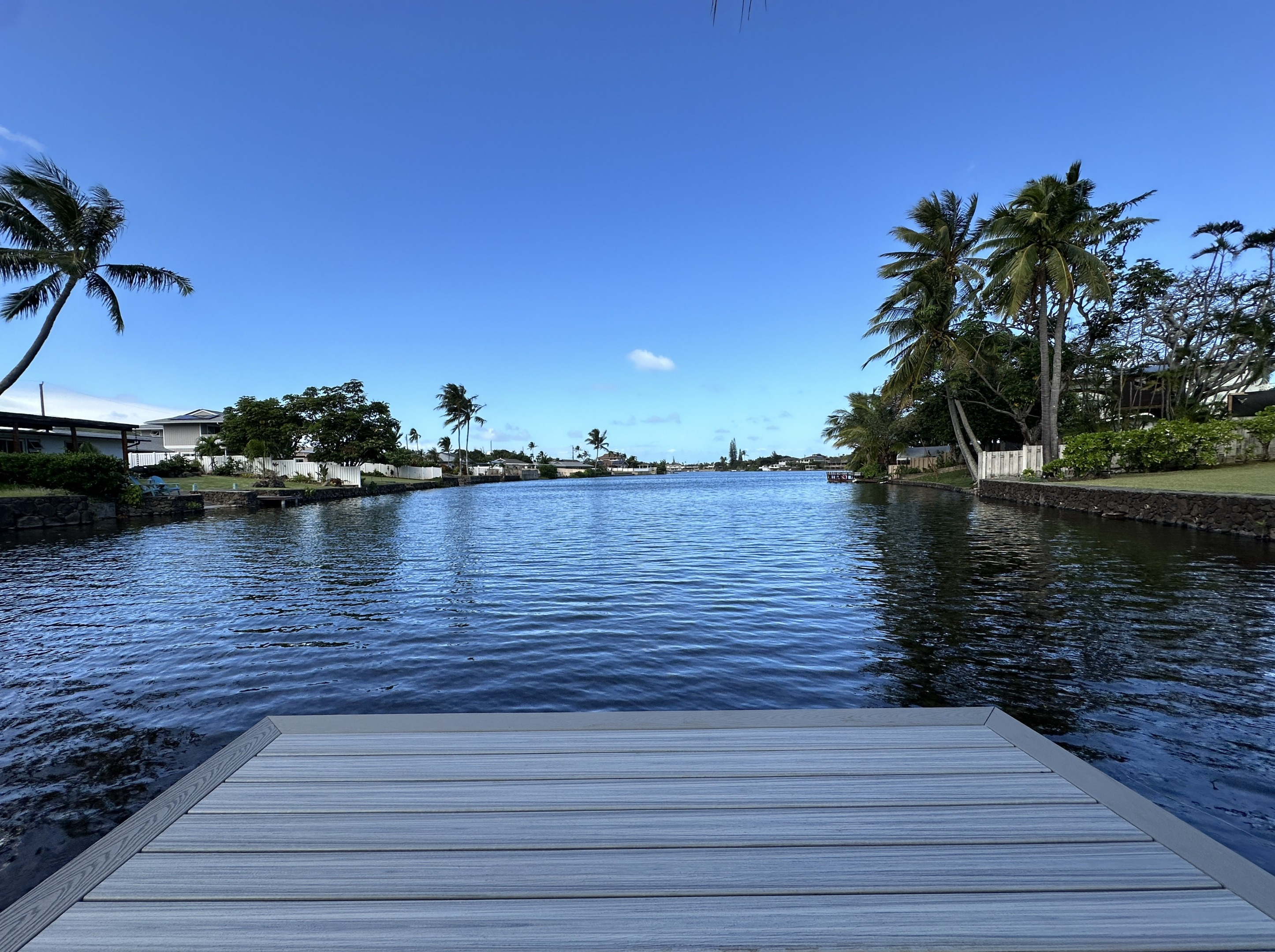
The ideal decking materials for coastal areas in Hawaii are those that offer exceptional durability and resistance to moisture. Tropical hardwoods like ipe, teak, and cumaru are popular choices due to their natural oils and tight grain pattern, which make them inherently resistant to rot, insects, and water damage. These hardwoods boast a dense structure, reducing the likelihood of warping and splitting over time. While these materials can be more expensive initially, their longevity and minimal maintenance needs often justify the upfront investment.
Another excellent option for moisture resistance is composite decking. Composite materials, composed of recycled wood fibers and plastic, are engineered to withstand Hawaii’s coastal conditions. Brands like Trex and TimberTech are renowned for their durability, offering a variety of styles and colors that can mimic the appearance of natural wood without the drawbacks. Unlike wood, composite decking doesn’t splinter, fade, or succumb to rot, making it a long-lasting alternative that requires little upkeep.
Weather-Resistant Finishes
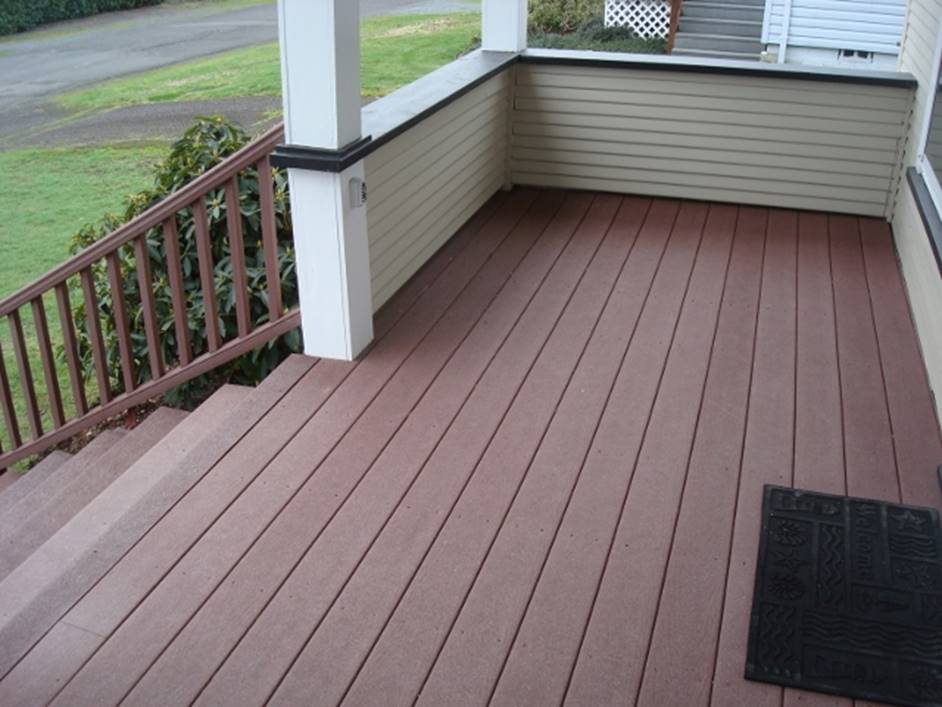
For those who still prefer traditional wood decking, applying a weather-resistant finish can significantly enhance the lifespan of the deck. Penetrating sealers penetrate the wood, offering protection from within, while surface sealers form a protective barrier on top. Using UV-blocking finishes can also prevent the wood from graying, preserving its appearance for years. Regular reapplication of these finishes is crucial for maintaining their effectiveness, particularly in Hawaii’s sunny and saline-rich environment.
Pressure-treated lumber is another viable option for coastal decking. While it may not offer the same natural beauty as high-end hardwoods or composites, modern pressure-treated wood is infused with chemical preservatives that make it resistant to moisture, insects, and fungi. When choosing pressure-treated wood, ensure it carries a warranty that reflects its suitability for coastal applications.
Environmental Considerations and Sustainability
For the environmentally conscious homeowner, the impact of decking material choices on the planet is an important factor. Bamboo is lauded for its sustainability as it grows rapidly, often reaching maturity within five years. Using engineered bamboo decking, such as products from BamDeck, means you are opting for a material that is both environmentally friendly and robust enough to withstand coastal conditions. Composite decking, which often includes recycled materials, also contributes to sustainability efforts by reducing the demand for virgin wood.
Similarly, certain tropical hardwoods are harvested under strict environmental guidelines to prevent deforestation and habitat destruction. Certifications from organizations like the Forest Stewardship Council (FSC) can help ensure that the wood is legally and sustainably sourced. Additionally, homeowners should consider the lifecycle impact of their chosen material, factoring in maintenance needs and potential replacements over time.
Maintenance Requirements
Maintenance is a crucial aspect when evaluating the Best Decking Materials for Coastal Areas in Hawaii. Tropical hardwoods require periodic cleaning and reapplication of oils or sealers to preserve their color and protective qualities. Without proper care, even the most durable hardwoods can succumb to weathering and damage. Tools like soft-bristle brushes and specialized deck cleaners can be useful in safeguarding the appearance and longevity of your deck.
Composite decking, on the other hand, demands far less maintenance. Regular sweeping and occasional washing with soap and water are typically sufficient to keep composite decks looking fresh. This low-maintenance requirement can be especially appealing for homeowners who prefer spending more time enjoying their outdoor spaces rather than maintaining them.
Heat and UV Resistance
Exposure to the intense Hawaiian sun can be detrimental to certain decking materials, leading to fading and surface temperature increases. When selecting the Best Decking Materials for Coastal Areas in Hawaii, it’s essential to consider how they respond to heat and ultraviolet rays. Generally, lighter-colored decking materials tend to remain cooler underfoot compared to darker options. Composite decking companies have innovated UV-resistant products that minimize heat retention and fading, extending the deck’s aesthetic appeal and comfort.
Advanced heat-reflective coatings or additives can also be applied to specific materials to mitigate the effects of prolonged sun exposure. For instance, Thermory offers thermally modified wood that is specially treated for enhanced stability and improved resistance to heat distortion. This product ensures that the deck remains comfortable and visually appealing even under the tropical sun.
Use the Best Decking Materials for Coastal Areas in Hawaii to ensure a long-lasting, low-maintenance outdoor living space. For comprehensive options, [click here](https://bamboomaui.net/decking-material/) to explore some of the top-rated materials designed to thrive in Hawaii’s unique coastal environments. Detailed planning and material selection tailored to the region’s climate are key to achieving a durable and beautiful deck.
Despite the range of available materials, no single choice is universally perfect. Assessing the specific needs, environmental impact, and aesthetic preferences of your project will help guide you toward the ideal solution.
Durability and Resistance to Moisture
When selecting the Best Decking Materials for Coastal Areas in Hawaii, durability and resistance to moisture should be at the forefront of your decision-making process. Given that Hawaii’s coastal regions are constantly exposed to high humidity and salty air, choosing materials that can withstand these conditions is crucial. Some of the top contenders for durable decking materials include Ipe wood, composite decking, and PVC decking.
Ipe wood, known for its hardness and resistance to rot, is an excellent choice for coastal environments. This tropical hardwood contains natural oils that fend off moisture and pests, making it incredibly resilient in humid climates. Composite decking, made from a mix of wood fibers and plastic, offers an alternative that’s equally robust. It resists warping, cracking, and splintering, maintaining its structural integrity despite prolonged exposure to moisture. Finally, PVC decking is entirely synthetic, providing exceptional resistance to both moisture and UV damage. Its non-porous surface means it won’t absorb water, preventing issues like mold and mildew.
Longevity and Low Maintenance

Longevity and low maintenance are vital factors to consider when evaluating the Best Decking Materials for Coastal Areas in Hawaii. With the constant exposure to salty air, sun, and fluctuating temperatures, materials that promise extended lifespans and reduced maintenance efforts are highly sought after.
Composite decking is often celebrated for its minimal maintenance needs. It doesn’t require staining, sealing, or frequent cleaning beyond a simple rinse with water and mild detergent. Ipe wood, while requiring some upkeep, generally lasts for decades with periodic oiling to maintain its color and guard against the elements. PVC, on the other hand, is almost maintenance-free. Its synthetic composition means it doesn’t suffer from the common woes like wood decay or rusting metal fasteners. Regular cleaning to remove dirt and debris is usually sufficient to keep PVC decking in pristine condition.
Aesthetic Appeal and Adaptability
Of course, the aesthetic appeal and adaptability of the decking materials play a significant role in your selection process. The Best Decking Materials for Coastal Areas in Hawaii should not only be durable and low-maintenance but also visually pleasing and adaptable to diverse design preferences.
Ipe wood tops the list when it comes to natural beauty, offering a rich, warm color and unique grain patterns that enhance the overall appearance of any outdoor living space. Composite decking, available in a wide range of colors and textures, can mimic the look of natural wood while providing added benefits of enhanced durability and longevity. PVC decking also comes in various designs that can replicate the appearance of traditional wood decks, allowing for versatility in terms of style and color options.
Eco-Friendliness and Sustainability
Eco-friendliness and sustainability are increasingly important factors in choosing the Best Decking Materials for Coastal Areas in Hawaii. Many homeowners are opting for materials that have a lesser environmental impact and contribute to the conservation of natural resources.
Composite decking is often made from recycled materials, including reclaimed wood fibers and recycled plastics. This not only reduces waste but also lessens the demand for virgin materials. Additionally, the long lifespan of composite decking means fewer resources are consumed over time. Ipe wood, although harvested from tropical rainforests, can be sourced responsibly if it carries certifications like the Forest Stewardship Council (FSC) seal. This ensures that the wood comes from well-managed forests. PVC decking, while not biodegradable, can be recycled at the end of its life cycle, contributing to efforts for a more sustainable environment.
Cost-Effectiveness and Value
When deciding on the Best Decking Materials for Coastal Areas in Hawaii, considering cost-effectiveness and value is essential. Although initial costs can vary widely, evaluating the long-term value and return on investment is crucial.
Composite decking, while often more expensive upfront compared to traditional wood, provides excellent value due to its reduced maintenance costs and long lifespan. Similarly, Ipe wood can be pricier initially but offers unparalleled durability and aesthetic appeal, making it a worthwhile investment for those looking to enhance their outdoor living spaces. PVC decking, typically falling into a higher price range as well, compensates for its cost with minimal maintenance requirements and exceptional durability.
Environmental Considerations and Climate Adaptability
When choosing the Best Decking Materials for Coastal Areas in Hawaii, taking the environmental considerations and climate adaptability into account can make a significant difference. Coastal areas are subject to unique environmental conditions such as high salinity, which can accelerate the deterioration of some materials.
In terms of climate adaptability, materials like composite and PVC decking often outperform natural wood. Their resilient compositions mean they are less likely to absorb moisture, warp, or suffer from infestations. Utilizing these materials helps ensure that your deck maintains its structural integrity and appearance over time.
Recommendations from Local Experts
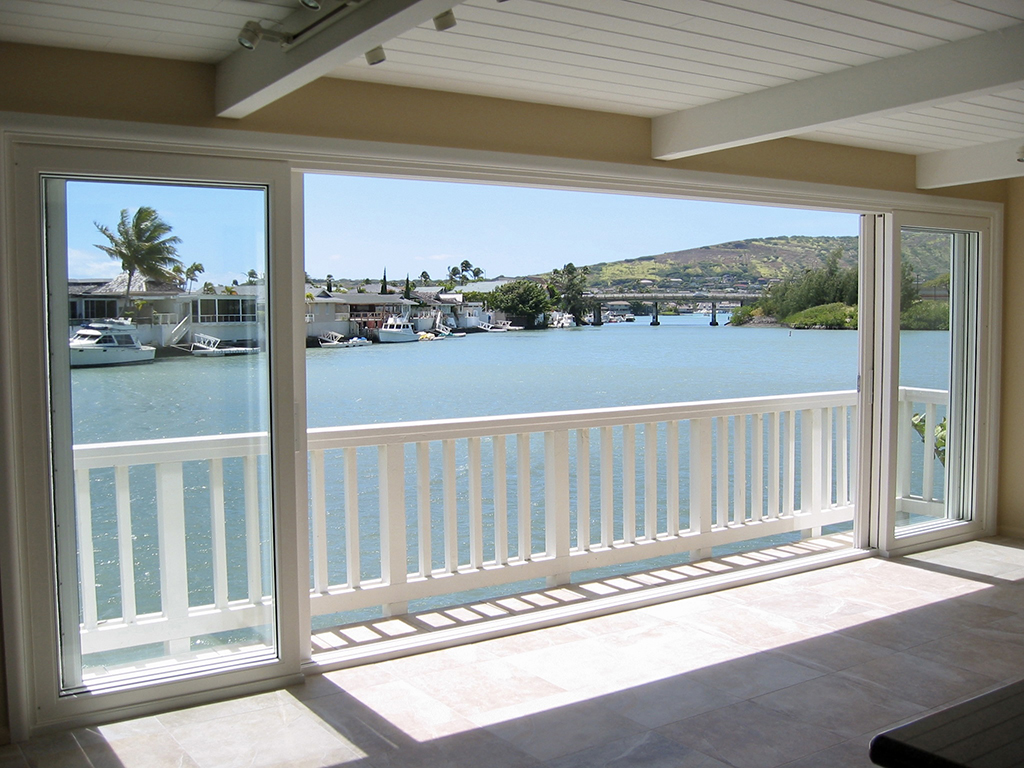
For homeowners seeking trustworthy recommendations on the Best Decking Materials for Coastal Areas in Hawaii, consulting with local experts can be incredibly beneficial. Local suppliers and contractors have firsthand experience with the environmental challenges specific to Hawaii’s coastal regions and can provide guidance on the most suitable materials.
For instance, local professionals might recommend specific brands of composite or PVC decking known for their performance in Hawaii’s unique climate. They can also offer insights into proper installation techniques to ensure the longevity and resilience of your deck. Additionally, seeking advice from local businesses that specialize in eco-friendly and sustainable decking options can help you make an informed decision that aligns with your environmental values.
Making an Informed Choice
Investing in the Best Decking Materials for Coastal Areas in Hawaii requires a balanced consideration of various factors, including durability, maintenance, aesthetic appeal, eco-friendliness, cost, and climate adaptability. By understanding the unique challenges posed by Hawaii’s coastal environment and selecting materials that excel in these conditions, you can create a beautiful, long-lasting outdoor space that enhances your home and lifestyle.
For further details about selecting the Best Decking Materials for Coastal Areas in Hawaii, visit this Resource Page. Additionally, explore solution-based videos on the best materials for your coastal decking needs here.
Understanding the properties and benefits of different decking materials ensures that you make a well-informed decision, ultimately leading to a more enjoyable and enduring outdoor space in the beautiful Hawaiian coastal region.