

When it comes to home improvement and interior design, bamboo wall paneling stands out as a versatile and sustainable choice. This Bamboo Wall Paneling guide will walk you through every aspect of using bamboo as a wall covering, helping you make informed decisions for your next remodeling project.
Why Choose Bamboo Wall Paneling
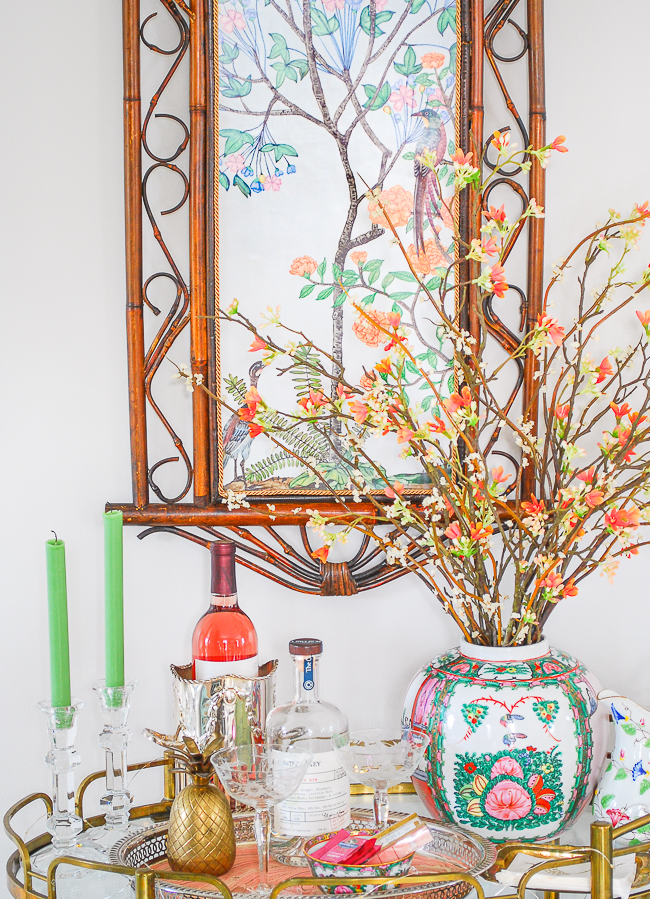
Bamboo wall paneling boasts a multitude of benefits that make it a favorable option for both residential and commercial spaces. Environmentally conscious homeowners will appreciate that bamboo is a rapidly renewable resource, known for its sustainability. Unlike hardwood trees that take decades to mature, bamboo grows up to 35 inches a day and reaches full maturity within 3-5 years.
Aside from its eco-friendly properties, bamboo wall panels also offer superior durability. Unlike traditional wood paneling, bamboo is resistant to warping, cracking, and is less susceptible to insect infestation. Its robust physical properties make it an excellent candidate for high-traffic areas and spaces exposed to moisture like kitchens and bathrooms.
Design Versatility of Bamboo Wall Panels
 Another advantage of bamboo wall paneling is its aesthetic flexibility. Available in various finishes, textures, and color tones, bamboo can complement a wide range of interior styles from contemporary and minimalist to rustic and traditional. You can find bamboo wall panels in natural hues, caramel tones, and even dyed varieties, offering endless possibilities for customizing your space.
Textured bamboo wall panels can add depth and dimensionality to your walls, making them an eye-catching feature of any room. Whether you opt for horizontal, vertical, or mosaic-style installations, bamboo panels can transform plain walls into stunning focal points. Furthermore, their lightweight nature simplifies the installation process, reducing labor costs.
Understanding Bamboo Wall Panel Installation
The installation process for bamboo wall paneling is relatively straightforward, but it does require careful planning and accurate measurements. Before beginning the installation, it’s crucial to acclimate the bamboo panels to the room’s environment for at least 72 hours. This step helps prevent any potential expansion or contraction once the panels are installed.
For a successful installation, ensure your walls are clean, dry, and smooth. Bamboo wall panels can be attached using adhesives, nails, or a combination of both, depending on the wall type and desired permanence. Using high-quality adhesive will ensure the panels adhere tightly to the wall, minimizing the risk of gaps or peeling over time.
Maintaining and Caring for Bamboo Wall Panels
Proper maintenance will extend the lifespan and beauty of your bamboo wall panels. Regular dusting and occasional wiping with a damp cloth will keep the panels looking pristine. Avoid using harsh chemicals or abrasive materials that can damage the bamboo’s finish.
In the event of spills or stains, clean the affected area immediately to prevent any lasting damage. Considering bamboo’s susceptibility to high humidity, it’s important to keep the panels dry and well-ventilated. This is particularly relevant in rooms like bathrooms or kitchens, where moisture levels are higher.
Cost Considerations and Budgeting
When planning your bamboo wall paneling project, it’s essential to take into account the costs involved. Bamboo wall panels are generally more affordable than traditional hardwood options, but prices can vary depending on the quality, finish, and thickness of the panels. Factoring in installation costs is also important, whether you choose to do it yourself or hire a professional.
Given its long-term benefits and durability, investing in bamboo wall paneling can be a cost-effective decision. The initial expense is often offset by the material’s longevity and the reduced need for frequent repairs or replacements. Additionally, opting for bamboo can potentially increase the value of your home, making it a wise investment in the long run.
Comparing Bamboo with Other Wall Paneling Materials
 Before fully committing to bamboo wall paneling, compare its features with other paneling materials like wood, vinyl, and MDF (medium-density fiberboard). Unlike wood, bamboo is more moisture-resistant, making it suitable for humid environments. Vinyl may offer more color options, but it lacks the natural, organic appeal that bamboo provides.
Similarly, MDF panels might be cheaper, but they are not as durable or eco-friendly as bamboo. By weighing the pros and cons of each material, you can make a well-rounded decision that aligns with your aesthetic preferences, functional requirements, and sustainability goals. and commercial settings alike.
Eco-Friendly and Sustainable
One of the main attractions of bamboo wall paneling is its eco-friendliness. Bamboo is a rapidly renewable resource, which means it can be harvested and regrown much faster than traditional wood. Unlike hardwood trees that take decades to mature, bamboo can regenerate in just a few years, making it an environmentally conscious choice. Additionally, harvesting bamboo doesn’t require replanting because the root system remains intact, continuously producing new shoots. Choosing bamboo wall paneling helps in reducing deforestation and promotes sustainable forest management.
Furthermore, bamboo wall paneling is biodegradable and features a lower carbon footprint during its production and transportation process, offering a responsible option for those looking to reduce their environmental impact.
Aesthetic and Design Versatility
The aesthetic appeal of bamboo wall paneling is another compelling reason to opt for this material. Its natural grain and color variations offer a unique, organic texture that adds warmth and depth to any space. Whether you prefer a modern, minimalist look or a more rustic, natural ambiance, bamboo wall paneling can be tailored to fit a range of design preferences.
Moreover, bamboo panels can be stained, painted, or treated to match virtually any interior décor theme. Some panels even come in various patterns and textures, providing unlimited possibilities for customization. Bamboo wall panels can be used for accent walls, wainscoting, or even to cover entire rooms, elevating the aesthetic appeal effortlessly.
Installation Process of Bamboo Wall Paneling
 Installing bamboo wall paneling is generally a straightforward process, but it requires careful planning and the right tools to achieve a professional finish. Below are steps to guide you through the installation process:
Preparation and Tools
Before starting, ensure that you have all necessary tools and materials, including panels, adhesive, nails or screws, a level, measuring tape, and a saw for cutting panels to size. Clean the wall surface thoroughly to remove any dust, dirt, or grease that might hinder the adhesive’s effectiveness.
It’s also important to acclimate the bamboo panels to the room where they will be installed by letting them lay flat in the space for about 48 hours. This step prevents warping or buckling once the panels are affixed to the wall.
Installation Steps
Begin by measuring the wall and marking where each panel will go. This helps in visualizing the layout and ensures that the panels are evenly spaced.
Apply adhesive to the back of each panel, pressing them firmly onto the wall. For added security, you can use nails or screws, especially for larger panels or if the wall surface is uneven. Use a level to ensure that each panel is straight and aligned correctly before the adhesive sets.
Continue this process until the entire wall is covered. If trimming is necessary, use a saw to cut the panels to fit edges and corners. After installation, clean any adhesive residue and lightly sand any rough edges for a polished look.
Maintenance and Durability
Bamboo wall paneling is known for its durability and low maintenance. Here are some tips for preserving its beauty and ensuring a long lifespan:
Regular Cleaning
Regular cleaning is essential to maintain the appearance of bamboo wall paneling. Use a soft cloth or a vacuum with a brush attachment to remove dust and dirt. For more thorough cleaning, a damp cloth with mild soap is usually sufficient, but be sure to dry the surface promptly to prevent water damage.
Avoid using harsh chemicals or abrasive materials, as they can damage the finish and surface of the bamboo panels. Regular maintenance will help keep the panels looking fresh and new for years to come.
Protection from Moisture and Wear
While bamboo wall paneling is relatively moisture-resistant compared to hardwood, it’s still advisable to use a sealant in areas prone to high humidity or direct water exposure, such as bathrooms or kitchens. A good quality sealant will prevent moisture absorption, warping, and other potential damage.
In high-traffic areas, placing protective coverings, such as rugs or mats, at the base of the wall can prevent scuffs and scratches. Avoid direct exposure to sunlight, which can cause discoloration over time. Installing window treatments or using UV-protective films can mitigate this issue.
Cost Considerations of Bamboo Wall Paneling
When planning a renovation involving bamboo wall paneling, cost is an important factor to consider. The price of bamboo paneling can vary based on the type, quality, and finish of the panel you choose.
Initial Investment
Bamboo wall paneling generally falls within the mid-range pricing for wall coverings, often comparable to hardwood options. While bamboo panels are typically more affordable than exotic hardwoods, they may be slightly more expensive than traditional drywall or MDF wall solutions. However, the longevity and aesthetic benefits of bamboo wall paneling often justify the initial investment.
Long-Term Value
 The durability and low maintenance requirements of bamboo wall paneling translate to long-term savings. You will spend less on repairs and replacements over the years. The eco-friendly nature of bamboo can also increase the resale value of your property, appealing to environmentally-conscious buyers.
Embracing Bamboo for a Stylish, Sustainable Home
Choosing bamboo wall paneling undoubtedly provides a host of benefits that align with both style and sustainability. From its eco-friendly aspects and versatile aesthetics to its straightforward installation and easy maintenance, bamboo wall paneling is a remarkable choice for modern interiors. The unique textures and durability it offers can transform any space, adding both beauty and functional value.
As you consider your next home improvement project, this Bamboo Wall Paneling guide serves as a comprehensive resource to help you navigate the process with confidence. Enhance your living space with the timeless elegance and ecological benefits of bamboo wall paneling, making a choice that is as good for your home as it is for the planet.