

Bamboo Flooring Guide: An Eco-Friendly Option

Choosing the right flooring for your home can be a daunting task, but this comprehensive Bamboo Flooring Guide will help you navigate the world of eco-friendly flooring. Bamboo flooring is celebrated for being sustainable, durable, and stylish. It’s an excellent choice for homeowners who prioritize environmental responsibility without compromising aesthetics.
Bamboo flooring is derived from one of the fastest-growing plants on Earth, making it a renewable resource. Moreover, it’s known for its robust nature, which rivals that of traditional hardwood floors. This flooring option has gained immense popularity due to its eco-friendliness and resilience, making it suitable for various settings from residential to commercial spaces.
Types of Bamboo Flooring
Bamboo flooring comes in several varieties, each with its unique characteristics. Understanding the differences between these types can help you make an informed decision for your space.
1. Solid Bamboo Flooring: This type is made entirely from bamboo strips and is known for its durability and natural appearance. It can be sanded and refinished multiple times, extending its lifespan.
2. Engineered Bamboo Flooring: Composed of a bamboo layer on top of a plywood or composite substrate, this type offers greater stability, especially in humid conditions. It often comes with a click-lock system, making it easier to install.
3. Strand Woven Bamboo Flooring: This is the most durable option, created by compressing bamboo fibers with resin. It’s ideal for high-traffic areas due to its hardness and resistance to scratches and dents.
Benefits of Bamboo Flooring
There are numerous benefits to choosing bamboo flooring, making it a compelling alternative to traditional hardwood or other flooring materials.
Environmental Sustainability: As bamboo is a rapidly renewable crop that matures in just five to seven years, it presents a more sustainable option compared to trees used in hardwood flooring, which can take decades to mature. Furthermore, bamboo can be harvested without killing the plant, ensuring continuous growth and production.
Durability and Strength: Bamboo flooring is remarkably resilient. Strand woven bamboo, in particular, is known for its superior hardness, often rated higher on the Janka hardness scale than many traditional hardwoods. This makes it an excellent choice for both residential and high-traffic commercial areas.
Cost Considerations
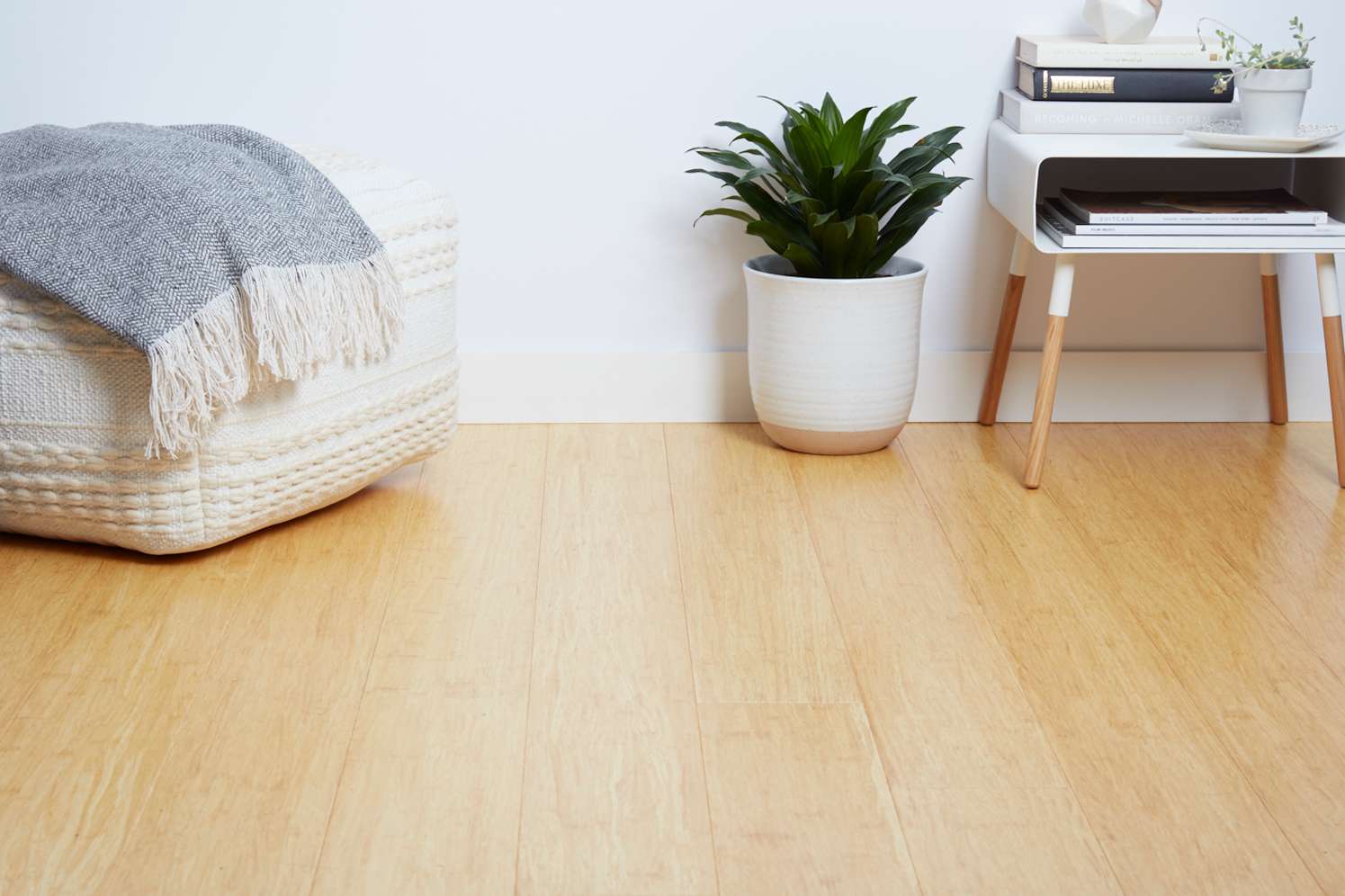
When planning your budget for new flooring, bamboo stands out as an economically sensible choice. While the cost of bamboo flooring can vary depending on the type and quality, it is generally less expensive than traditional hardwood options.
Initial Investment: The initial cost of bamboo flooring is often favorable compared to hardwood. Prices typically range from $2 to $8 per square foot, making it accessible for homeowners looking to upgrade their floors without breaking the bank.
Long-Term Value: Over time, the investment in bamboo flooring can pay off. Its durability means fewer repairs and replacements, and its eco-friendly nature can be a selling point if you ever decide to put your home on the market. Additionally, maintaining bamboo floors is generally straightforward and cost-effective.
Installation and Maintenance Tips
Proper installation and care are crucial to maximizing the lifespan and appearance of your bamboo floors. By following a few key guidelines, you can ensure that your flooring remains beautiful and functional for years to come.
Installation Methods: Various installation methods can be employed based on the type of bamboo flooring you choose. Nail-down installation is common for solid bamboo, whereas floating floor and glue-down methods are often used for engineered and strand woven bamboo. For DIY enthusiasts, engineered bamboo with a click-lock system is typically the easiest to install.
Bamboo Flooring Guide recommends acclimating the flooring planks to the room’s temperature and humidity for at least 72 hours before installation. This helps prevent any expansion or contraction post-installation.
Maintenance and Care: Keeping your bamboo floors in prime condition is relatively simple. Regular sweeping and vacuuming can prevent debris and dust from scratching the surface. Spills should be wiped up promptly to avoid water damage. Periodic damp mopping with a non-wax, non-alkaline, hardwood, or bamboo-specific cleaner will help retain the floor’s natural beauty.
Comparing Bamboo Flooring to Hardwood and Other Materials

Bamboo flooring has distinct advantages over other popular flooring options like hardwood, laminate, and vinyl, making it essential to understand these differences when making a choice.
Bamboo vs. Hardwood: While both are durable, bamboo is often harder and more resistant to damage than many hardwoods. Bamboo offers a similar aesthetic appeal but is generally more affordable and eco-friendlier. In terms of installation, bamboo can be easier to install as it often comes in prefinished options.
Bamboo vs. Laminate: Bamboo flooring provides a more natural and authentic look compared to laminate, which can sometimes feel artificial. Additionally, bamboo is a more environmentally conscious choice and has a longer lifespan if maintained properly.
Durability and Lifespan of Bamboo Flooring
One of the primary considerations when selecting flooring materials is durability. Bamboo is naturally sturdy, and this strength makes it a highly resilient option for household flooring. Strand-woven bamboo, in particular, is noted for its robustness, often being harder than traditional hardwoods like oak or maple. When treated properly, bamboo flooring can withstand daily foot traffic, making it suitable for both residential and commercial spaces.
Bamboo flooring’s longevity is another selling point. With proper care and maintenance, bamboo floors can last for decades. Regular cleaning with a gentle cleaner and promptly addressing any spills can prevent damage and extend the lifespan of your bamboo floors. Additionally, periodic refinishing can revive the surface and enhance the flooring’s durability, making it a lasting investment for your home.
Maintenance and Care for Bamboo Flooring

Maintaining bamboo flooring is relatively simple, contributing to its growing popularity among homeowners. Regular sweeping or vacuuming can help prevent dirt and debris from scratching the surface. It’s also important to use a soft mop with a non-abrasive, pH-neutral cleaner to preserve the bamboo’s natural beauty.
Moisture is one of bamboo flooring’s few disadvantages. It’s essential to manage humidity levels and avoid excessive water exposure to prevent warping or swelling. Using area rugs in high-traffic or spill-prone areas, particularly near entryways and in kitchens, can offer additional protection. Applying felt pads under furniture legs can also minimize scratches and dents, ensuring your bamboo flooring remains in pristine condition.
Installation Process
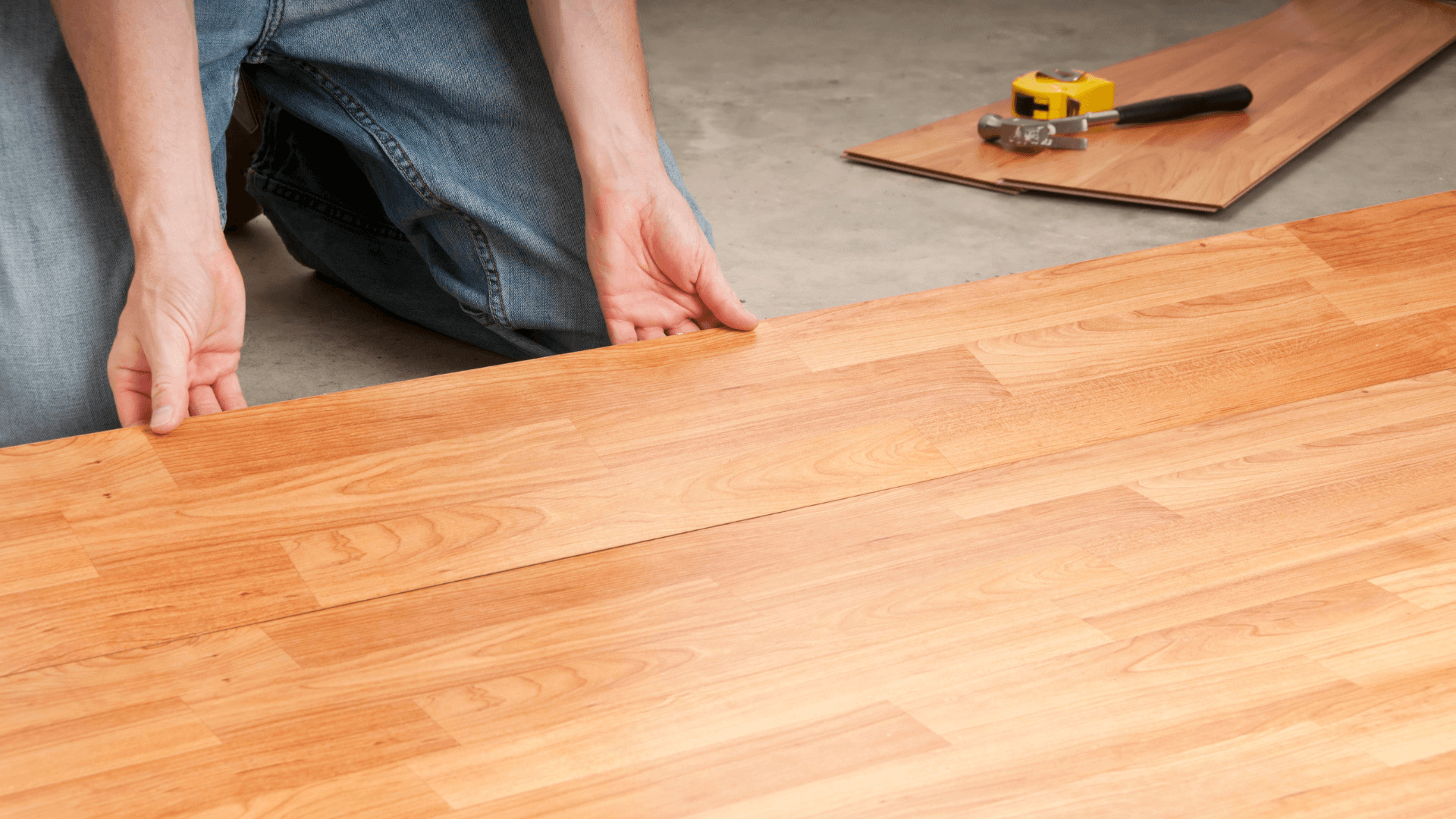
The installation process of bamboo flooring varies depending on the type chosen solid, engineered, or strand-woven. Hiring a professional installer is highly recommended, especially for solid bamboo flooring, to ensure a seamless and durable finish. For DIY enthusiasts, engineered bamboo flooring offers a more straightforward click-lock installation process that can be managed with some basic tools and careful planning.
Before installation, acclimatizing the bamboo planks to the room’s humidity and temperature for at least 72 hours is essential. This step helps to prevent any expansion or contraction post-installation. Correct installation methods contribute to the longevity and stability of the bamboo flooring, so it’s worth investing time and effort into getting it right.
Cost Considerations
When discussing the Bamboo Flooring Guide, cost is often one of the main questions. Bamboo flooring is generally more affordable than traditional hardwoods but can vary widely based on factors like brand, quality, and type of bamboo. On average, homeowners can expect to pay between $5 to $15 per square foot, including installation costs.
While the initial investment might seem significant, bamboo’s durability and low maintenance requirements can offer savings in the long run. Additionally, the eco-friendly benefits of bamboo flooring can result in tax incentives or contribute positively to property value, making it an economically sensible choice.
Comparing Bamboo to Other Flooring Options
Comparing bamboo to other popular flooring materials helps to highlight its numerous benefits. For example, bamboo and hardwood floors share many similarities, including a natural, warm appearance and durability. However, bamboo’s sustainability advantage often makes it the preferred choice for environmentally conscious homeowners.
In contrast to carpet, bamboo flooring is hypoallergenic, making it ideal for individuals with allergies or respiratory issues. Unlike carpets, bamboo does not harbor dust mites or pet dander, contributing to better indoor air quality. While tile flooring is also durable and hypoallergenic, bamboo offers a more comfortable underfoot feel and easier installation process.
Environmental Benefits
The environmental benefits of bamboo flooring cannot be overstated. Bamboo is a highly renewable resource, capable of being harvested every 3-5 years, unlike hardwood trees that may take decades to mature. This rapid growth cycle makes bamboo a sustainable and eco-friendly option for flooring.
Moreover, bamboo cultivation has a low environmental impact, requiring minimal water and no pesticides. Choosing bamboo flooring supports sustainable practices and reduces deforestation, contributing positively to environmental conservation. For more insights on the environmental impact, consider checking this Bamboo Flooring Guide.
Styles and Finishes
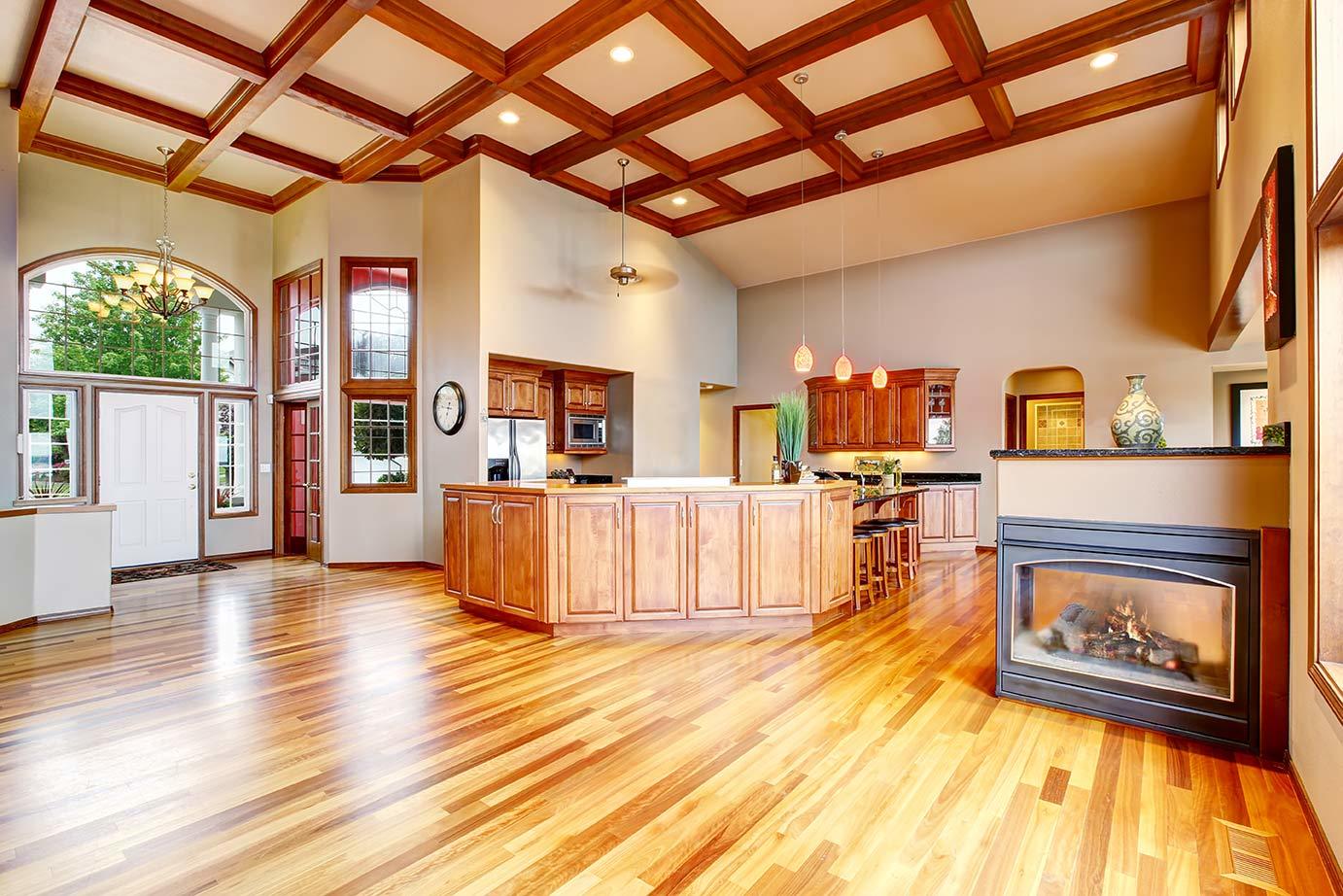
Bamboo flooring comes in a plethora of styles and finishes, ensuring there’s an option to match every aesthetic preference. From horizontal and vertical grains to strand-woven patterns, bamboo offers versatility in design. The variety of stain colors from natural blonde to deep espresso allows homeowners to achieve their desired look while maintaining the benefits of bamboo.
Finishing options include matte, semi-gloss, and high-gloss, each offering a different aesthetic and level of maintenance. Matte finishes, for example, hide scratches and wear better than high-gloss finishes, making them ideal for high-traffic areas. Selecting the right style and finish can transform the vibe of your space, making bamboo a versatile flooring choice.
Potential Drawbacks

While bamboo flooring boasts numerous benefits, it’s important to consider potential drawbacks. As previously mentioned, moisture sensitivity can pose a problem in areas with high humidity or frequent spills. Proper installation and sealing can mitigate these risks, but it is worth acknowledging this limitation.
Another consideration is the potential for bamboo to darken over time due to sunlight exposure. Using window treatments can help limit direct sunlight on bamboo floors, preserving their original color. Additionally, some lower-quality bamboo products may come from manufacturers that use subpar processing methods, resulting in less durable flooring. Opting for reputable brands and suppliers can help ensure the quality of your bamboo floors.
Is Bamboo Flooring Right for You?
Bamboo flooring offers a combination of sustainability, durability, and aesthetic appeal, making it an attractive option for many homeowners. However, it’s essential to weigh the pros and cons to determine if it aligns with your specific needs and lifestyle. For those committed to eco-friendly living with a penchant for stylish, low-maintenance flooring, bamboo is an excellent choice.
Conversely, if your home is in an area with high humidity levels or if you anticipate significant water exposure, you might need to explore other options or take additional precautions to maintain your bamboo floors. Considering all these factors will ensure you make an informed decision about your flooring investment.
For additional resources and detailed insights on bamboo flooring, you can visit this Bamboo Flooring Guide. Exploring various aspects and reviews will provide you with a well-rounded understanding, helping you choose the perfect flooring solution for your home.