

Eco-Friendly Sustainable Flooring Options
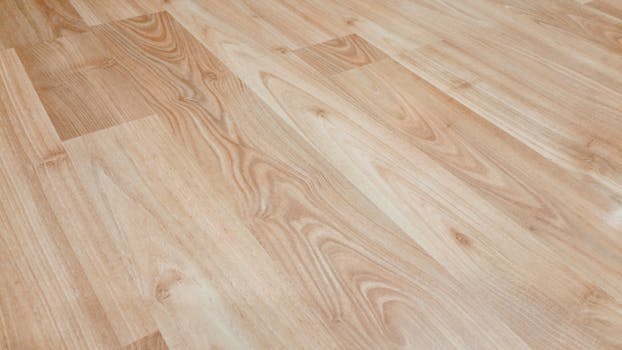
As homeowners become increasingly conscious about their environmental footprint, the demand for sustainable flooring options is soaring. Whether you’re renovating a single room or updating your entire home, choosing eco-friendly materials is a significant step towards a greener lifestyle. Options like bamboo, reclaimed wood, cork, and recycled materials offer both aesthetic appeal and durability while minimizing environmental impact. Let’s dive into some of these sustainable flooring options to help you make an informed decision for your eco-conscious home.
Bamboo flooring stands out as a popular choice due to its rapid growth cycle, often reaching maturity in just 3-5 years. This makes it a highly renewable resource compared to traditional hardwoods that can take decades to mature. Bamboo is not only sustainable but also incredibly durable and aesthetically pleasing, often mimicking the look of oak or maple. When shopping for bamboo flooring, it’s essential to look for products with certifications from organizations such as the Forest Stewardship Council (FSC) to ensure responsible harvesting and manufacturing practices.
Durability and Aesthetics of Reclaimed Wood

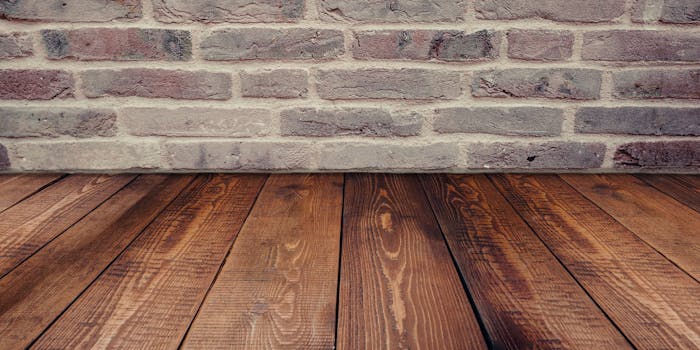
Another exceptional option is reclaimed wood, which repurposes lumber from old buildings, barns, and other structures. This type of flooring not only recycles existing materials but also lends a unique, rustic charm to any space. Variations in grain, color, and texture give each piece of reclaimed wood its own character, telling a story that new wood can’t replicate. Reclaimed wood can be just as durable as new hardwood flooring, often performing better due to the strength of older, denser wood.
The beauty of reclaimed wood lies not just in its appearance but also in its environmental benefits. By opting for reclaimed wood, you reduce the demand for new timber, thereby conserving forests and lowering carbon emissions associated with logging and transportation. Ensure the wood is treated properly to remove old nails, pests, or any lingering chemicals before installation. Look for suppliers who provide detailed information on the origin and treatment of their reclaimed wood products to guarantee you’re making a genuinely sustainable choice.
Cork as a Sustainable and Comfortable Option

Cork flooring is another fantastic sustainable choice, harvested from the bark of cork oak trees without harming the trees themselves. This makes cork a renewable resource that can be repeatedly harvested every 9-12 years. Cork flooring is not only environmentally friendly but also offers excellent insulation properties, reducing heat loss and noise transmission in your home. Its natural elasticity makes it comfortable underfoot, ideal for areas where you spend a lot of time standing, such as kitchens and playrooms.
Cork’s antimicrobial properties make it a hygienic option, particularly beneficial for homes with allergies. It resists mold, mildew, and pests while being easy to clean and maintain. The diverse range of colors and patterns available means you can find a cork flooring option that seamlessly fits your interior design. Check for certifications like FSC or the Programme for the Endorsement of Forest Certification (PEFC) to ensure your cork flooring is sourced and manufactured sustainably.
Innovative Flooring from Recycled Materials
Recycled flooring materials are gaining traction as a sustainable and stylish option. This category includes everything from tiles made of recycled glass and metal to carpets crafted from discarded fishing nets and plastic bottles. These innovative products give a second life to materials that would otherwise end up in landfills, significantly reducing waste and environmental harm. Recycled glass tiles, for instance, offer a striking, contemporary look and are highly durable and easy to maintain.
One of the primary advantages of recycled flooring materials is their versatility. From sleek, modern designs to rustic, traditional aesthetics, recycled flooring can complement any style. Manufacturers often highlight the eco-friendly nature of these products, making it easier for consumers to make an informed choice. Always check for eco-certifications and research the company’s sustainability practices to ensure you’re supporting an environmentally responsible brand.
Choosing the Right Sustainable Flooring for Each Room
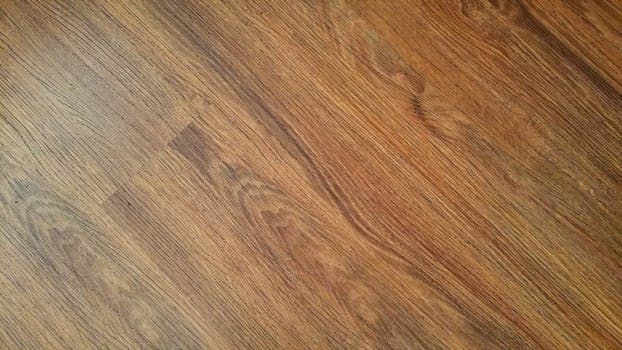
Selecting the best sustainable flooring for different areas of your home involves considering factors like traffic, moisture levels, and room function. In high-traffic areas such as hallways and living rooms, durable options like bamboo or reclaimed wood are excellent choices. These materials can withstand heavy use while maintaining their aesthetic appeal. For moisture-prone areas like bathrooms or basements, cork or recycled glass tiles can be more suitable due to their resistance to mold and moisture damage.
Bedrooms and home offices, where comfort is paramount, can benefit from cork flooring’s soft, warm feel. If you’re looking to minimize allergens, opt for hypoallergenic materials like cork or recycled polyester carpets. Since each type of flooring comes with its own set of benefits and limitations, taking the time to assess the specific needs of each room will ensure you choose the most appropriate and sustainable option.
For more information on Sustainable Flooring Options, click here.
Certifications and Standards to Look For
When shopping for eco-friendly flooring, it’s essential to know what certifications and standards to look for to ensure you’re making a genuinely sustainable purchase. Certifications from organizations such as the Forest Stewardship Council (FSC) and the Programme for the Endorsement of Forest Certification (PEFC) indicate that the wood or cork has been harvested responsibly and sustainably. For recycled materials, the Cradle to Cradle certification can assure you of the product’s environmental impact throughout its lifecycle.
Recognizing these certifications can simplify your decision-making process and ensure the products you select meet stringent environmental and ethical standards. Additionally, checking for low Volatile Organic Compounds (VOC) emissions can enhance indoor air quality, making your home not only more sustainable but also healthier. Always prioritize flooring options from manufacturers who are transparent about their sourcing and production practices.
The Benefits of Bamboo Flooring
Bamboo flooring is one of the top sustainable flooring options available today, known for its eco-friendly production and durability. Bamboo grows at an exceptionally fast rate, taking only three to five years to reach maturity, unlike hardwood trees that can take up to twenty years. This rapid growth cycle means that bamboo can be harvested multiple times without depleting the environment, making it an exemplary renewable resource for flooring.
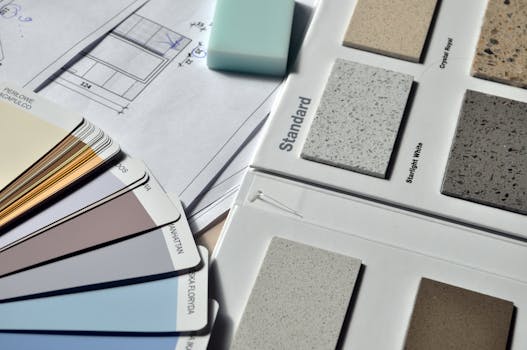
Not only is bamboo sustainable, but it also offers aesthetic flexibility. Available in various shades and finishes, bamboo flooring can complement a wide range of interior designs, from modern to rustic. Additionally, bamboo is much harder than many traditional wood options, making it resistant to scratches and dents, which enhances its longevity. If you want to learn more about why bamboo might be the perfect sustainable flooring option for your home, check out this comprehensive guide on bamboo flooring.
Reclaimed Wood: A Second Life for Timber
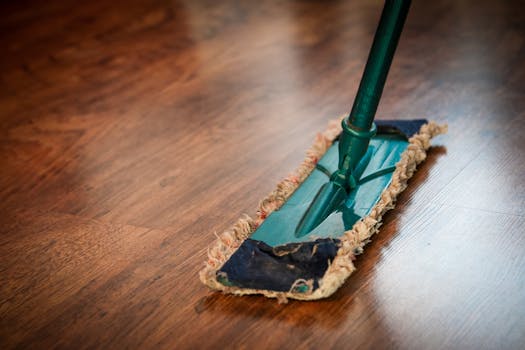
Another excellent option in the realm of sustainable flooring is reclaimed wood. This involves repurposing wood from old buildings, barns, and factories, giving it a second life instead of letting it go to waste. Not only does this reduce the demand for new timber and the associated deforestation, but it also adds a unique character to your flooring.
Reclaimed wood has a rustic and authentic charm that can’t be replicated by new wood. Each plank carries a history, full of knots and grain patterns that tell a story. In addition, repurposing wood generally requires less energy than producing new wood flooring, further reducing its carbon footprint. For room-specific advice and more information, you can explore additional sustainable flooring concepts here.
Linoleum – An All-Natural Alternative
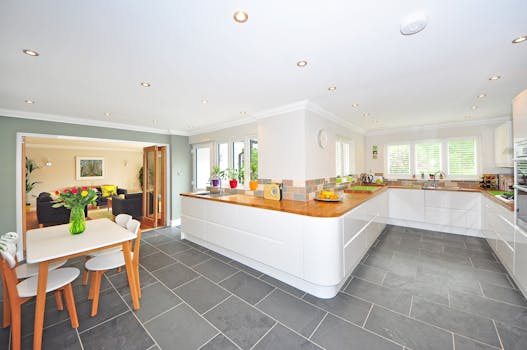
Often mistaken for vinyl, linoleum is a natural flooring option made from linseed oil, wood flour, cork dust, and natural pigments. It is biodegradable and does not emit harmful VOCs (volatile organic compounds), making it a healthier choice for indoor air quality. Linoleum is also remarkably durable and can last up to 40 years with proper care.
Linoleum is available in vibrant colors and patterns, making it a versatile choice for various design aesthetics. Moreover, it is naturally anti-bacterial, which works well in high-traffic areas and homes with kids or pets. By choosing linoleum, you are opting for a sustainable, natural product that will stand the test of time.
Maintaining Your Sustainable Flooring
Sustainable flooring options not only benefit the environment but also offer long-lasting durability. However, maintaining them correctly can maximize their lifespan and aesthetic appeal. Regular cleaning with mild, eco-friendly products can help keep your floors in top condition without exposing your household to harsh chemicals.
Different materials have different maintenance needs. Bamboo and wood can benefit from periodic sealing, while stone may require occasional resealing to maintain its resistance to moisture. Understanding the specific requirements of your chosen flooring ensures that it remains beautiful and functional for years to come.
Choosing the right sustainable flooring for your home involves considering not just the environmental impact but also the unique needs and aesthetics of each room. Whether you opt for bamboo, reclaimed wood, linoleum, or natural stone, each option offers a blend of sustainability, durability, and style, contributing positively to both your living space and the planet.