

Exploring Different Vinyl Plank Flooring Types in Our Ultimate Vinyl Plank Flooring Guide

When it comes to upgrading your home with stylish, durable flooring, vinyl plank flooring types offer a versatile and cost-effective solution. Not only do they mimic the elegant appearance of hardwood or tile, but they are also known for their ease of maintenance, waterproof qualities, and sturdy construction. Here, we delve into some of the popular vinyl plank flooring types to help you make an informed choice for your interior space. Get the information you need to make the right decision in our Ultimate Vinyl Plank Flooring Guide.
Expanded Polymer Core (WPC)
One prominent category within the vinyl plank flooring types is the Expanded Polymer Core (WPC). Unlike traditional solid PVC backings, WPC flooring is constructed with an expanded PVC core. This unique core features tiny air pockets that contribute significantly to its acoustic properties, making it an ideal choice for spaces where sound insulation is essential.
WPC flooring options are commonly layered with a thin layer of Luxury Vinyl Tile (LVT) on top, which provides the visually appealing surface texture and appearance. Additionally, many WPC products come with an attached underpad that offers added comfort, making it pleasant to walk on. The installation of WPC flooring is usually a breeze as it often features a click-lock system, allowing it to be installed as a floating floor without the need for adhesives.
Solid Polymer Core (SPC)
Another notable type within vinyl plank flooring types is the Solid Polymer Core (SPC). This variant includes a robust solid PVC core, which makes it remarkably durable and resilient. SPC flooring is engineered to withstand high traffic areas, making it perfect for both residential and commercial applications.
The solid core of SPC vinyl plank flooring ensures superior stability and prevents issues such as warping or expansion under varying temperatures. Like WPC, SPC also comes topped with a thin layer of LVT to emulate the look of natural materials. The dense core and intricate design layers combined enhance the floor’s overall strength while maintaining an aesthetically pleasing appearance.
Luxury Vinyl Tile (LVT) Cap

Exploring further within vinyl plank flooring types, we find the Luxury Vinyl Tile (LVT) Cap. While LVT refers broadly to a section of vinyl flooring that mimics natural stone or ceramic tile, the cap serves as a finishing layer for both WPC and SPC planks. This layer is crucial for achieving a realistic, high-end look without the hefty price tag associated with natural materials.
The primary benefit of having an LVT cap on your vinyl plank flooring is the access to a wide array of designs and textures. From intricate wood grain patterns to sleek stone finishes, LVT allows homeowners to customize their spaces while benefiting from the durability and ease of maintenance that vinyl planks offer. Moreover, LVT caps are usually enhanced with a wear layer that provides resistance against scratches, dents, and other forms of surface damage.
Sound-Dampening and Comfort Features
One of the key attractions of vinyl plank flooring types is their inherent sound-dampening properties. Both WPC and SPC flooring varieties are designed to minimize noise, making them an excellent choice for homes with multiple levels or shared walls. The expanded cores in WPC, in particular, help to absorb sound, thus reducing echoes and footfall noise.
In addition to sound insulation, many vinyl plank floorings feature an attached underpad that bolsters comfort underfoot. This padding can vary in thickness and material but generally contributes to a softer, more cushioned feel when walking on the floor. It’s particularly beneficial in areas where people spend a lot of time standing, such as kitchens and living rooms.
Innovative Installation Methods
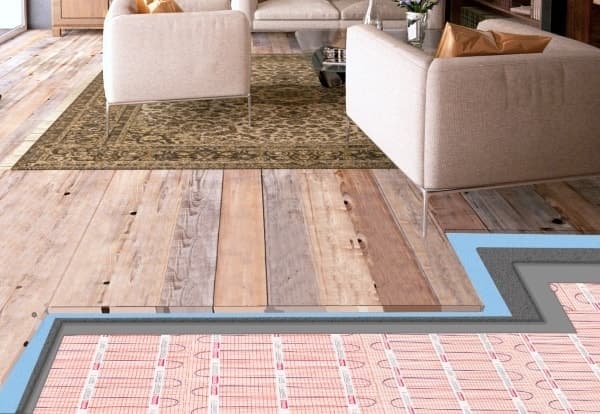
When it comes to installing vinyl plank flooring types, homeowners can choose from various innovative methods that simplify the process. The most common installation techniques include the glue-down method, click-lock installation, and loose lay. Each method offers unique advantages, catering to different needs and preferences.
The click-lock installation method is highly popular for DIY enthusiasts. It involves snapping the planks together like puzzle pieces, creating a floating floor that requires no adhesive. This method is quick and straightforward, making it accessible to those with limited construction experience. On the other hand, the glue-down method offers increased stability and is ideal for areas with heavy furniture or high foot traffic. Loose lay installations, though less common, involve laying the planks without any adhesive, relying on the weight and friction of the floor material to stay in place.
Durability and Maintenance
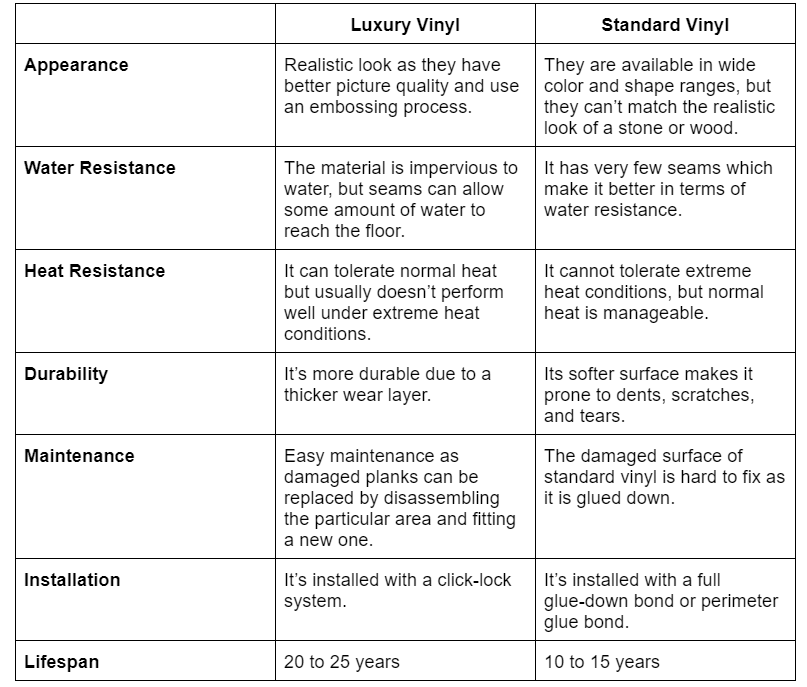
Vinyl plank flooring types are known for their exceptional durability, making them an excellent long-term investment for homeowners. The multi-layer construction typically includes a wear layer that protects against scuffs, scratches, and stains, ensuring the floor retains its pristine appearance over time. This durability is particularly beneficial in high-traffic areas such as hallways, entryways, and kitchens.
Maintenance is another strong point for vinyl plank flooring. The waterproof nature of both WPC and SPC planks makes them resistant to spills and moisture, a major advantage for households with children or pets. Routine cleaning with a damp mop and mild detergent is usually sufficient to keep these floors looking their best. Additionally, many vinyl plank options are treated with antimicrobial coatings that inhibit the growth of mold and mildew, further simplifying maintenance efforts.
Rigid Core Vinyl Plank Flooring

Rigid core vinyl plank flooring has become one of the most popular choices in recent years due to its robust construction and enhanced durability. Unlike traditional vinyl flooring, rigid core planks feature a stone or wood plastic composite core that provides superior stability and resilience. This type of flooring is ideal for high-traffic areas and spaces prone to moisture, such as kitchens, bathrooms, and basements.
The standout feature of rigid core vinyl plank flooring is its waterproof capability. The waterproof core ensures that the planks do not swell or warp when exposed to water, making it an excellent choice for homes with pets or young children. Additionally, the rigid core construction helps to mask subfloor imperfections, providing a smoother installation process and a more polished finish.
Wood Plastic Composite (WPC) Vinyl Plank Flooring
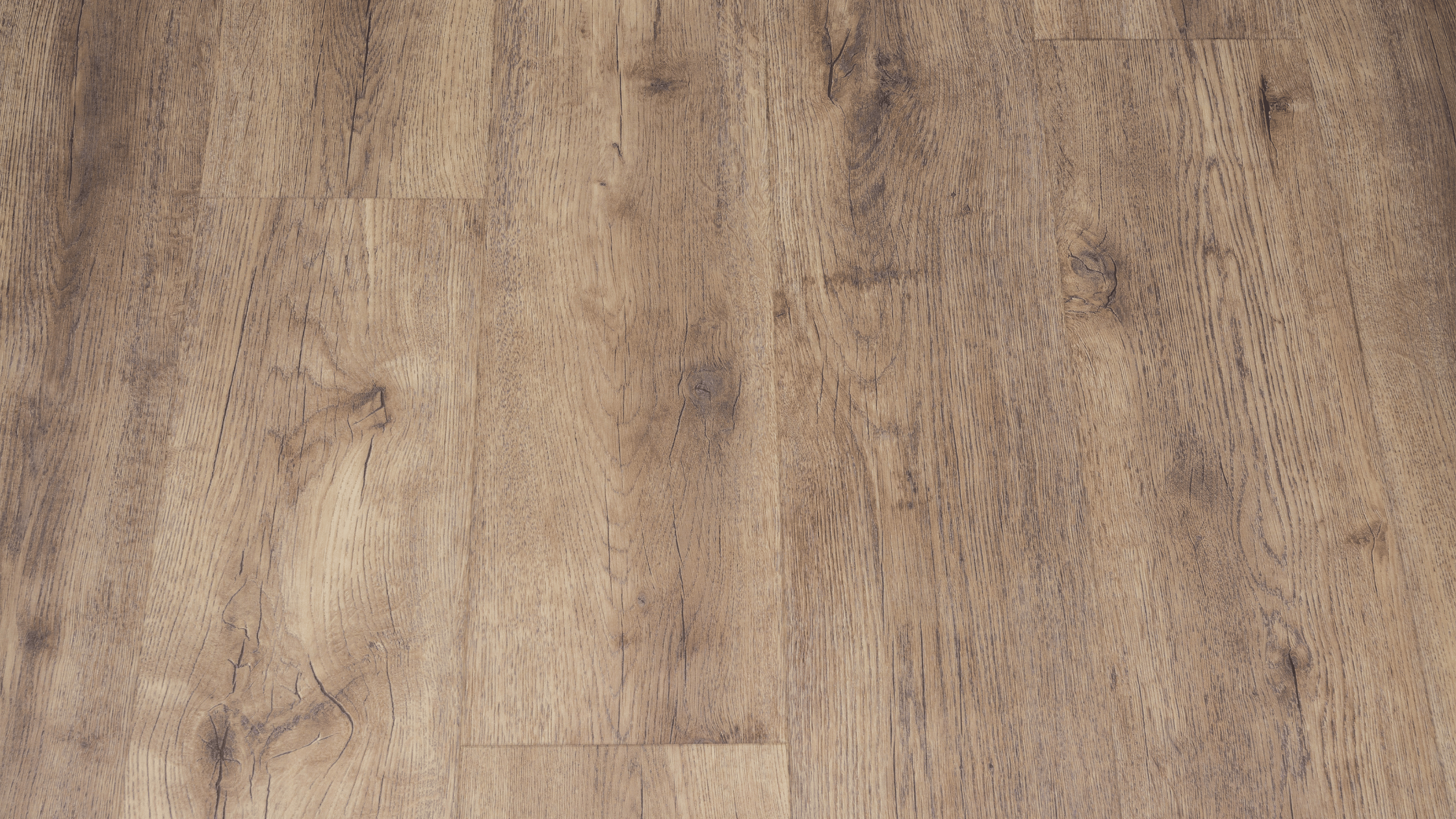
Wood Plastic Composite, or WPC vinyl plank flooring, is an innovative flooring solution that combines the aesthetics of wood with the durability of plastic. WPC planks have a rigid core made from a combination of wood fiber and thermoplastics. This blend offers a softer, more comfortable underfoot feel compared to other rigid core options while still providing impressive durability.
WPC vinyl plank flooring is also 100% waterproof, which makes it suitable for areas where moisture is a concern. The added comfort feature of WPC planks makes them perfect for areas where you stand for extended periods, such as kitchens or laundry rooms. Moreover, WPC flooring is often equipped with a printed vinyl layer that mimics the appearance of natural wood or stone, providing a visually appealing and practical flooring solution.
Stone Plastic Composite (SPC) Vinyl Plank Flooring
Stone Plastic Composite (SPC) vinyl plank flooring is another type of rigid core flooring that offers exceptional toughness and resiliency. The core of SPC planks is made from a blend of limestone and stabilizers, resulting in an extremely durable and dense core. SPC flooring stands up well to heavy furniture and high-traffic environments, making it an ideal choice for both residential and commercial spaces.
One of the unique attributes of SPC vinyl plank flooring is its thin profile, which allows for easy installation over existing floors without the need for extensive floor prep or demolition. Additionally, SPC flooring often comes with a pre-attached underlayment, which enhances sound insulation and comfort underfoot. For those who prefer low-maintenance flooring solutions, SPC is an excellent choice due to its easy-clean surface and resilience against dents and scratches.
Luxury Vinyl Plank (LVP) Flooring

Luxury Vinyl Plank (LVP) flooring is known for its high-end look and exceptional performance. LVP planks are designed to closely replicate the appearance of real wood, featuring detailed textures and natural color variations. The top layer of LVP is often treated with a protective coating to enhance its resistance to scratches, stains, and wear.
LVP flooring can be found in a wide array of styles, from rustic oak to sleek teak, allowing homeowners to achieve their desired aesthetic without the cost and maintenance associated with natural wood. In addition to its attractive appearance, LVP is highly water-resistant, making it suitable for every room in the house. The versatility of LVP flooring makes it a top choice for those seeking both beauty and functionality.
If you want to explore different types of vinyl plank flooring types, make sure to consider LVP as a versatile option.
Peel and Stick Vinyl Plank Flooring
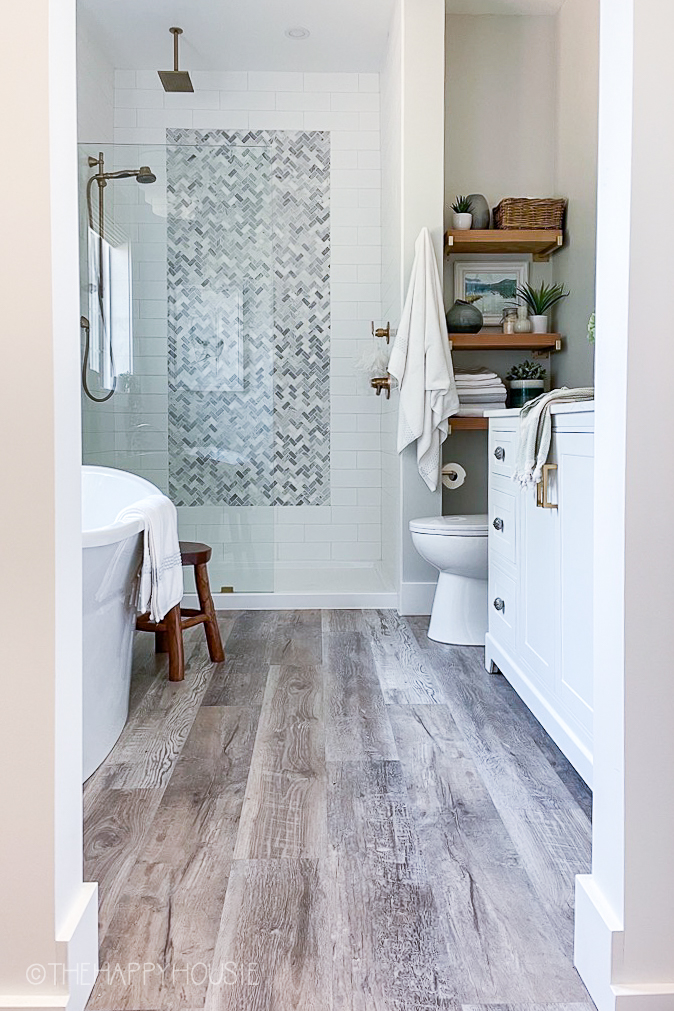
Peel and stick vinyl plank flooring offers a straightforward, cost-effective flooring solution that is perfect for DIY enthusiasts. Each plank has a pre-applied adhesive backing, which allows for easy, mess-free installation. This type of flooring is ideal for quick makeovers or rental properties, as it can be installed directly over most existing flooring.
Despite its simplicity, peel and stick vinyl plank flooring does not compromise on style. Available in a multitude of colors and finishes, these planks can transform the look of any room instantly. While they may not offer the same level of durability as other vinyl plank flooring types, they are a practical solution for low-traffic areas and temporary installations.
Loose Lay Vinyl Plank Flooring

Loose lay vinyl plank flooring is an innovative type of flooring that relies on friction and weight to stay in place without glue or nails. Each plank is designed with a heavy backing that grips the subfloor, preventing movement once installed. This type of flooring allows for quick installation and easy removal, making it perfect for spaces where temporary flooring is needed.
The primary advantage of loose lay vinyl plank flooring is its ease of installation. Without the need for adhesives or fasteners, homeowners can install and reposition the planks with minimal effort. This feature also allows for easy access to subfloor utilities, making it a practical option for commercial spaces or areas requiring frequent maintenance. Loose lay vinyl flooring is also available in various styles and finishes, providing versatile design options to suit different preferences.
Benefits and Considerations
When choosing from the many types of vinyl plank flooring, it is essential to consider the specific needs and conditions of your space. Benefits such as water resistance, durability, ease of installation, and aesthetic appeal should factor into your decision. Each type of vinyl plank flooring offers unique advantages that cater to different preferences and requirements.
For instance, rigid core options like SPC and WPC are ideal for high-traffic and moisture-prone areas, offering superior stability and protection. In contrast, solutions like peel and stick and loose lay vinyl planks are perfect for quick, temporary installations and spaces with minimal foot traffic. Understanding the characteristics and benefits of each type will help you make an informed choice that enhances your home’s value and comfort.
Exploring the various vinyl plank flooring types available can help you find the perfect match for your needs. Whether your priority is durability, water resistance, or design flexibility, there is a vinyl plank flooring option that will meet your expectations.
With so many types to choose from, vinyl plank flooring emerges as a top contender for modern, stylish, and functional home design. Take into account the specific requirements of your space and lifestyle to select the best vinyl plank flooring type that will offer long-lasting beauty and performance.