

Composite vs. Wood Decking Hawaiian: Understanding Your Choice
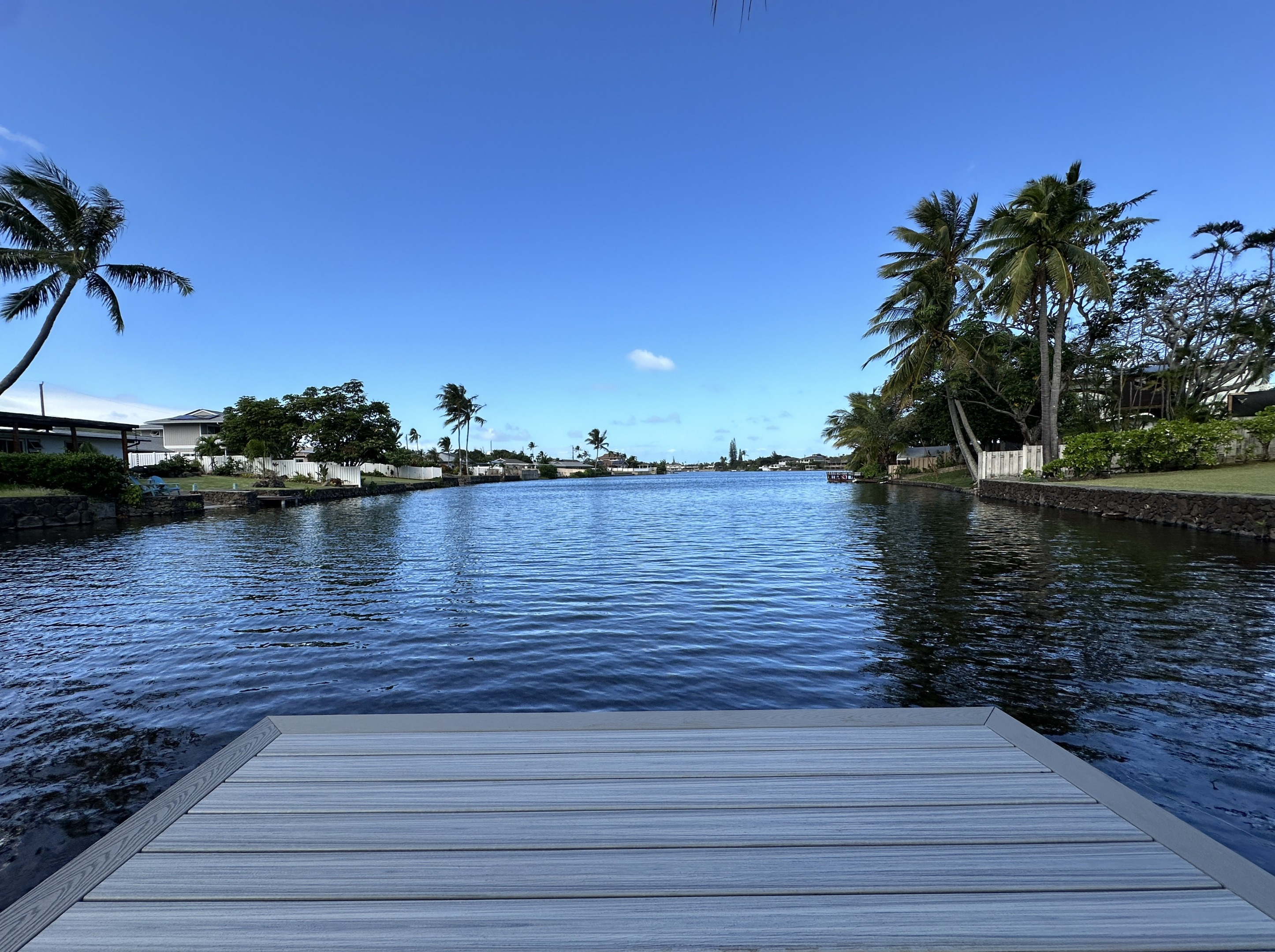
When it comes to upgrading your Hawaiian outdoor space, one of the most critical choices you’ll face is between composite and wood decking. As climate plays a significant role in material performance, understanding which option is best for a tropical environment like Hawaii is essential. Both types of decking have unique attributes that make them appealing, but each also has certain drawbacks worth considering.
Composite decking has grown increasingly popular due to its durability and low-maintenance features. Manufactured from a combination of recycled wood fibers and plastic, composite boards offer a variety of colors and styles, mimicking the natural beauty of wood. On the other hand, traditional wood decking remains a classic choice for many homeowners, who appreciate its authentic look and feel. However, Hawaiian weather conditions may pose unique challenges for wood decking.
Weather Resistance: Composite vs. Wood Decking Hawaiian Style
Hawaii’s unique climate conditions significantly affect the longevity of both composite and wood decks. The combination of salty air, high humidity, and constant exposure to the sun can make this decision more complicated.
Composite decking is known for its ability to withstand harsh weather conditions. Its mixture of wood and plastic materials makes it highly resistant to moisture and UV rays, preventing it from warping, swelling, or fading over time. This robust feature makes composite an excellent option for Hawaii’s humid and salty environment.
Conversely, natural wood decking is more susceptible to the elements. Types like cedar, redwood, and tropical hardwoods are popular due to their resistance to rot and insects, but they still require frequent maintenance to preserve their appearance and structural integrity. Over time, the wood may show signs of wear such as splintering, discoloration, and warping, especially under Hawaii’s tropical climate.
Maintenance Requirements in Hawaiian Conditions
Maintenance is another crucial factor to consider when comparing composite vs. wood decking Hawaiian homeowners will find. The tropical environment can exacerbate wear and tear, making proper maintenance a critical component of preserving your deck’s lifespan.
Composite decking is heralded for its low-maintenance benefits. It does not require annual staining, sealing, or painting, making it an attractive option for homeowners who prefer a hassle-free solution. A simple periodic cleaning with soap and water is generally enough to keep a composite deck looking its best.
On the other hand, wood decking demands a greater level of upkeep to maintain its luster and strength. Yearly treatments of sealing or staining are necessary to protect the wood from moisture, mold, and sun damage. Regular cleaning is also essential to prevent mold and mildew buildup, which can be a common issue in Hawaii’s moist and warm environment. Failure to perform these maintenance tasks can significantly shorten the lifespan of a wooden deck.
Environmental Impact: Choosing Green Materials
Those looking to minimize their environmental footprint might weigh the sustainability of their decking materials. In the composite vs. wood decking Hawaiian context, both options offer eco-friendly benefits but in different ways.
Composite decking is often celebrated for being an environmentally responsible choice. Many brands utilize recycled materials in their manufacturing process, reducing the reliance on virgin wood and plastic. Additionally, composite decks often last longer than wood decks, resulting in fewer replacements and less material waste over time.
Wood decking, particularly if sourced from FSC-certified forests, also provides eco-friendly benefits. Using natural and renewable materials, wood decks can be a sustainable option if managed responsibly. However, the environmental costs associated with the regular application of stains and sealants must be considered.
Cost Implications Over Time
In terms of initial investment and long-term costs, the decision between composite and wood decking can have financial implications for Hawaiian homeowners.
The upfront cost of composite decking tends to be higher compared to traditional wood. However, the reduced requirement for maintenance and the longer lifespan of composite decks can offset this initial expenditure. This makes composite a cost-effective choice in the long run for those who prefer to avoid frequent upkeep.
Wood decking, generally less expensive at the purchase point, entails ongoing maintenance costs that add up over years. The frequent need for protective treatments and potential replacements due to weather damage can make wood a more costly investment over time.
Aesthetic Considerations: Visual Appeal and Versatility
For anyone landscaping their outdoor space, aesthetics play a vital role in choosing the right decking material. The visual appeal and style of your deck can significantly influence the overall ambiance of your Hawaiian retreat.
Composite decking offers a diverse array of colors and finishes, allowing homeowners to choose from various styles that mimic the natural look of wood without the associated maintenance. This versatility can be particularly beneficial in designing a cohesive outdoor area that complements other elements of the home and garden.
While wood decking provides an authentic and natural appearance that many homeowners adore, it requires a higher degree of maintenance to sustain its visual appeal. The natural aging process can add charm and character, but it can also lead to an uneven or weathered look if not properly cared for. Wood allows for staining and painting, offering flexibility in altering its appearance over time, which can be an attractive feature for some.
For more information on composite decking choices, visit our comprehensive guide on durable and eco-friendly materials.
By weighing these factors carefully, you can determine which type of decking best suits your needs and lifestyle in Hawaii. Each option brings its unique strengths and challenges, significantly influenced by the island’s environmental conditions and your personal preferences in maintenance and aesthetics.
Durability and Maintenance in Hawaiian Climate
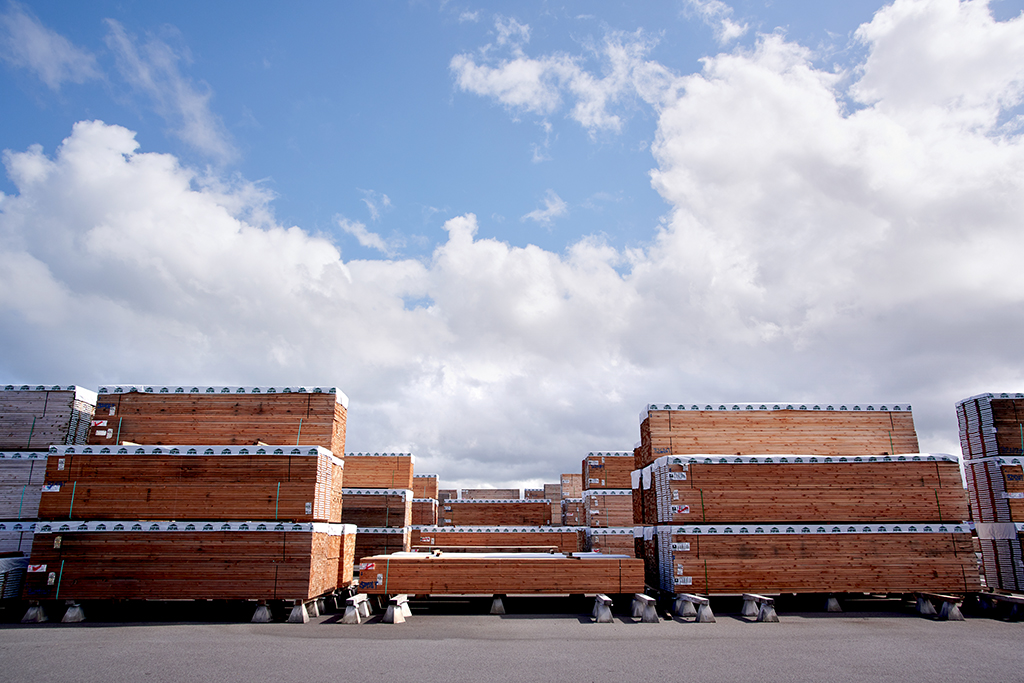
While both composite and wood decking can offer beautiful aesthetics for your Hawaiian outdoor space, they differ significantly in their ability to withstand Hawaii’s unique tropical climate. The consistent exposure to intense UV rays, salt air, and sporadic rain can take a toll on decking materials over time.
Composite decking fares well under these harsh conditions due to its synthetic composition, combining wood fibers and plastic. This blend makes composite decking exceptionally resistant to rot, warping, and insect damage, which are common issues in humid climates. It’s also notable for being low-maintenance requiring only occasional washing with soap and water to keep it looking new. On the other hand, wood decking necessitates regular upkeep, including sanding, sealing, and staining, to protect it from the elements. While woods like ipe and mahogany are naturally more resistant to Hawaiian weather, they still require a higher level of maintenance compared to composites.
Environmental Impact: Sustainability Matters
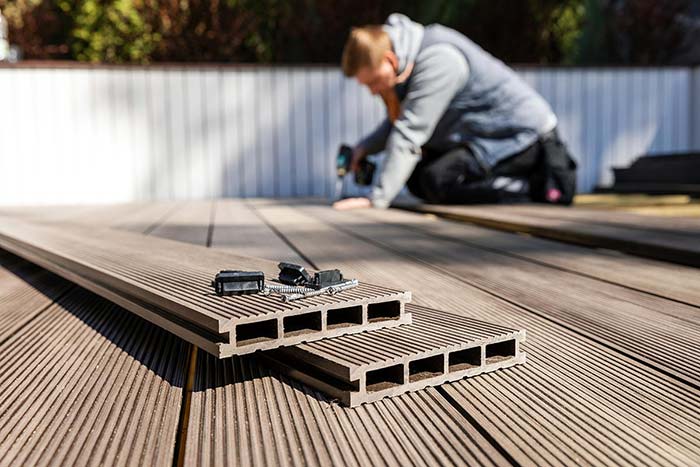
Considering the environmental impact is crucial when choosing between composite and wood decking in Hawaii. Composite decking is often touted as an eco-friendly choice because it is made from recycled materials, including plastics and reclaimed wood fibers. This recycling process helps reduce waste and promotes sustainable practices. Furthermore, composites tend to last longer than wood, meaning fewer replacements and less material consumption over time.
Wood decking, if sourced responsibly, can also be a sustainable option. Utilizing certified sustainable hardwoods ensures that the wood comes from forests managed for long-term ecological balance. However, the use of pesticides and chemical treatments to preserve wood can have detrimental environmental effects. For those who prioritize eco-friendliness, looking for FSC-certified options or considering newer, more sustainable materials might present a balanced solution.
Cost Considerations Over Time
When making a long-term investment in your Hawaiian deck, cost is a vital consideration. Initially, wood decking options are often less expensive to install compared to composite decking. However, it’s essential to factor in the ongoing costs associated with maintaining wood versus the limited maintenance needs of composites.
Over the lifespan of the deck, composite decking can prove to be more cost-effective despite its higher upfront cost. The savings come from reduced maintenance expenses and the need for fewer replacements. On the other hand, while wood may have a lower initial cost, the expenses associated with regular upkeep, such as sealing, staining, and potential repairs, can add up over the years.
Aesthetic Appeal: Natural Look vs. Versatile Designs
When it comes to aesthetic preferences, the choice between composite and wood decking can boil down to the desired look and feel for your Hawaiian home. Wood decking offers a timeless, natural beauty that can be very appealing. The unique grains and textures of real wood bring a warm, classic feel to outdoor spaces. However, even with high-quality wood, variations and potential imperfections are part of its charm and authenticity.
Composite decking, meanwhile, offers an array of design possibilities. Modern advancements in composite material technology ensure a wide range of colors, textures, and designs that can mimic the appearance of natural wood while providing more consistent and polished finishes. For homeowners who desire a specific aesthetic without the natural variables found in wood, composite decking may be the ideal choice.
Safety Concerns and Considerations
Safety is another crucial factor to consider, particularly in areas prone to water exposure, such as Hawaii. Composite decking is generally designed to be slip-resistant, which can be particularly beneficial around pools, hot tubs, and other moisture-prone areas. The synthetic material used in composites also tends to stay cooler underfoot compared to some wood types, providing additional comfort during those hot Hawaiian days.
In contrast, wood decking, while beautiful, can become slippery when wet and may also splinter over time if not properly maintained. For families with young children or for those who frequently entertain guests, these safety considerations might tip the scale in favor of composite materials.
Extended Longevity and Warranties
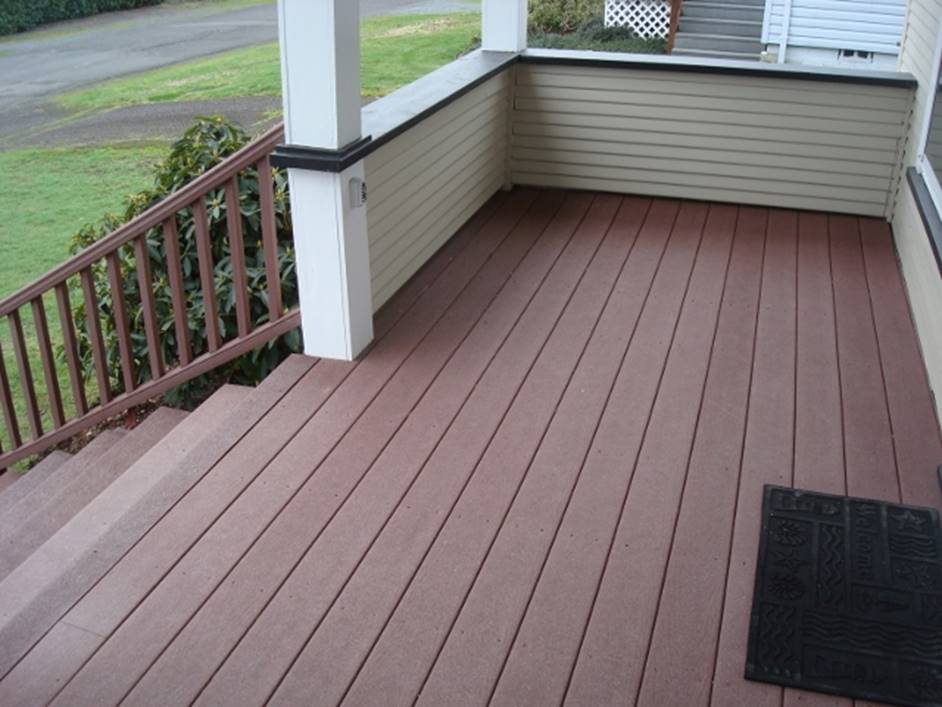
When investing in a deck for your Hawaiian home, longevity is a key aspect to consider. Composite decking generally comes with extensive warranties sometimes up to 30 years covering both performance and appearance. This kind of assurance provides peace of mind that your investment will stand the test of time, even in the demanding Hawaiian climate.
Conversely, while some hardwood options offer excellent longevity, wood decking typically comes with shorter warranties. The longevity of a wood deck heavily depends on the type of wood used and the level of maintenance it receives over its lifetime. For those prioritizing durability and long-term reliability, composite decking often presents a more dependable choice.
Making Your Decision: Composite vs. Wood Decking Hawaiian
Ultimately, the decision between composite and wood decking in Hawaii hinges on your specific needs, preferences, and priorities. For those interested in a low-maintenance, durable, and versatile option, composite decking stands out as a strong candidate. Its ability to withstand the unique Hawaiian environment, coupled with its eco-friendly nature and aesthetic flexibility, makes composite decking a powerful contender.
However, if you cherish the natural look and feel of traditional wood, enjoy the process of regular deck maintenance, or have access to sustainably sourced hardwoods, wood decking might be the right choice for you. Each option brings its own set of advantages and potential trade-offs, so consider all factors to ensure you make an informed decision that aligns with your lifestyle and environmental values.
For further information and resources on choosing the perfect decking material for your Hawaiian outdoor space, take a look at this helpful guide and explore additional research. By weighing all elements durability, cost, aesthetics, and environmental impact you can confidently select a decking solution that will enhance your island home for years to come.
Overall, using this comprehensive approach ensures that you capitalize on the best features of composite vs. wood decking Hawaiian while building a beautiful, durable, and sustainable outdoor living space.